UNFUCG
DashboardSearchChatBookmarksNotificationsActivityPremiumProfile
?
Home
Search
Chat
Saved
Profile
Episode
10 Year Anniversary: What I Learned After 200+ Conversations with the Best Minds in FxMed
~248 min
Episode Brief·YouTube

10 Year Anniversary: What I Learned After 200+ Conversations with the Best Minds in FxMed

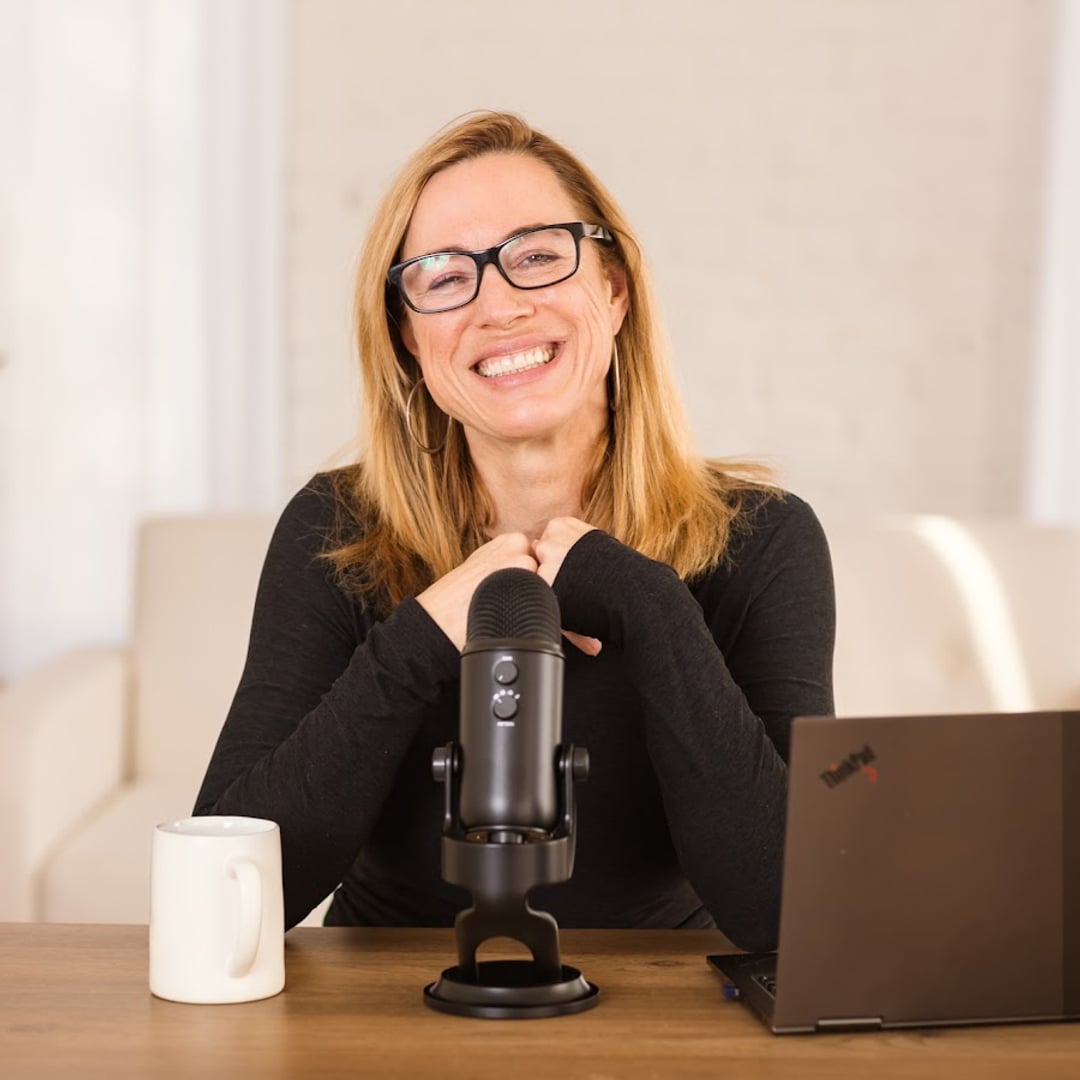
Kara Fitzgerald
Watch on YouTube Add to chat My bookmarks← All sources

TL;DR

The four things you'd lose by not watching

4 items

TL;DR

The four things you'd lose by not watching

4 items
1

Dr. Kara Fitzgerald celebrates 10 years and nearly 200 episodes of her podcast, which has amassed over 2.4 million downloads, by reflecting on how conversations with pioneers like Charles Serhan, Sid Baker, and Jeff Bland have fundamentally reshaped her clinical thinking.

2

She argues that functional medicine is inherently longevity medicine, and that the current biohacking trend of layering single-point interventions (e.g., rapamycin, metformin) without first addressing foundational imbalances is ineffective or even harmful.

3

Her own randomized controlled trial demonstrated that an 8-week diet and lifestyle intervention delivering approximately 3,000 mg/day of polyphenols can reverse epigenetic aging clocks, and she emphasizes that individualization would yield even greater results.

4

She now lives in Baja California, where a community-centric, outdoor lifestyle has dramatically improved her heart rate variability and overall well-being, underscoring the power of environment and social connection for longevity.

Protocols

Concrete recipes — what, when, how much, and why

7 items

Younger You (Methylation Diet and Lifestyle) Protocol

WhatAn 8-week dietary and lifestyle intervention designed to support healthy DNA methylation, rich in polyphenols, methyl-donor nutrients, and phytonutrients, with moderate protein, low glycemic load, and specific lifestyle practices (exercise, stress management).
WhenCan be used as a structured program for patients seeking to improve epigenetic age, metabolic health, or address chronic conditions; originally studied in middle-aged men and women.
Dose8 weeks, with daily intake of approximately 3,000 mg of polyphenols from whole foods (vegetables, fruits, herbs, spices, tea, etc.).
For whomAdults with signs of accelerated aging, metabolic syndrome, or chronic inflammatory conditions; can be adapted for various dietary needs (e.g., ketogenic, specific carbohydrate, allergen-free).
WhyShown in a randomized pilot trial to reverse Horvath epigenetic clock by an average of 3.23 years, improve weight, cholesterol, and other markers; clinically observed to benefit autoimmunity, gut issues, migraines.
CaveatsBest results when individualized; the research protocol was a standardized version, but clinical experience suggests tailoring to the person yields greater improvements. Not a one-size-fits-all; some may need modifications for caloric needs or specific health conditions.

Fitzgerald and her colleague Romly Hodgers developed this protocol in their clinic before testing it in a randomized controlled trial. The diet emphasizes a high intake of colorful plant foods, quality proteins, and healthy fats, while minimizing processed foods and sugar. The research showed significant epigenetic age reversal, and subsequent analysis revealed the diet provided about 3,000 mg of polyphenols per day—higher than many other interventions studied for epigenetic effects. Fitzgerald emphasizes that the protocol was born from clinical practice, where they saw remarkable turnarounds in patients with diverse conditions. In her book 'Younger You,' she provides guidance on how to adapt the protocol for individuals with specific dietary needs, underscoring the functional medicine principle of personalization.

Mechanism

The diet provides methyl donors (folate, B12, choline, methionine) and cofactors needed for DNA methyltransferase enzymes, while polyphenols and other phytonutrients modulate gene expression and reduce oxidative stress, collectively improving epigenetic regulation and cellular function.

Personal experience

She used this approach in her clinic for years before the trial, witnessing improvements in autoimmune diseases, migraines, and gut health. She continues to use it as a foundation in her practice.

we've always said, and it's always been clear because this was born, this intervention was born in clinic, it that we we we suspected we would go further with it when we could individualize it to the human being sitting in front of us.

Also said
“the dietary protocol that we use that you used in in the research has around about 3,000 milligs per day of of polyphenols specifically”— Quantifies the key polyphenol dose.
“we saw really pretty amazing clinical turnaround with the dietary pattern, you know, autoimmunity, you know, treating, you know, various gut issues, migraine headach, and and on and on.”— Demonstrates the wide clinical utility observed.

Foundational Balancing Protocol

WhatBefore considering targeted longevity supplements (e.g., rapamycin, metformin, NAD+ precursors), conduct a comprehensive functional medicine assessment and correct underlying imbalances in nutrition, gut health, detoxification, hormones, and lifestyle.
WhenFor any individual interested in longevity optimization, especially those tempted by biohacking trends.
DoseOngoing; initial workup may take several weeks to months to implement foundational changes.
For whomAll patients seeking longevity, particularly those with chronic symptoms or known imbalances.
WhyWithout addressing root causes, longevity supplements are unlikely to yield significant benefits and may cause harm; personalized correction ensures the body is primed to respond to advanced interventions.
CaveatsRequires access to a qualified functional medicine practitioner; some advanced testing may be out-of-pocket initially but is increasingly covered by insurance.

Fitzgerald contrasts the functional medicine approach with the popular biohacker mentality of jumping on the latest supplement based on animal studies. She gives concrete examples: vitamin D supplementation only reverses bio-age in those who are deficient; time-restricted eating can be detrimental for individuals with high stress or caloric needs. She emphasizes that functional medicine's toolkit—detailed history, advanced lab testing, physical exam—allows identification of each person's unique 'flavor' of imbalance, whether metabolic, allergic, or dysbiotic. Only after correcting these foundations should one consider layering on longevity compounds. This approach not only improves efficacy but also safety.

Mechanism

Imbalances such as dysbiosis, chronic inflammation, nutrient deficiencies, and hormonal dysregulation accelerate biological aging. Correcting these restores homeostatic resilience, allowing the body to benefit from hormetic or targeted therapies.

Personal experience

She has seen patients who failed to improve with trendy supplements until foundational issues were addressed.

if you take somebody who foundationally isn't balanced and you layer on uh you know nutrients whatever they might be because of you know some catchy sales line or you know some limited research that really you're not going to be moving the needle on health at all.

Also said
“it's essential that you know the foundational balancing takes place as as as we do in functional medicine.”— Reinforces the necessity of this step.
“Not everybody is going to respond to a one meal a day timerestricted eating structure. That will not make all of us healthier. In fact, it will make some of us uh malnourished a uh and perhaps living in a really heightened stress response”— Illustrates how a popular longevity hack can backfire without individualization.

Social Physical Activity Protocol

WhatEngage in regular physical activities that involve social interaction, such as team sports, group hikes, tennis, or cycling with friends.
WhenAs part of a weekly exercise routine, aiming for at least 150 minutes of moderate activity per week, ideally with others.
DoseNo specific dose given; integrate social elements into existing exercise habits.
For whomEveryone, especially those seeking to maximize longevity and mental well-being.
WhyResearch suggests that physical activities performed with others are more strongly associated with longevity and healthspan than solitary exercise, likely due to combined benefits of movement and social connection.
CaveatsChoose activities appropriate for fitness level; the social aspect should not compromise safety (e.g., distracted cycling on roads).

Fitzgerald highlights emerging science showing that the most longevity-promoting physical activities are those done with other people. She connects this to her own life, where she used to combine cycling with phone calls to friends and family, effectively merging exercise and social connection. She stresses the importance of fostering community and designing a lifestyle that naturally incorporates movement with others, whether through organized sports or simply walking with neighbors.

Mechanism

Social connection reduces stress, improves mood, and may enhance immune function; combined with physical activity, it creates a synergistic effect on cardiovascular health, inflammation, and neuroplasticity.

Personal experience

She used to ride her bike while talking on the phone to friends or even conducting work meetings, which she found fun and effective for staying connected while exercising.

the activities the physical activities that are most associated with um with with longevity. So with expanding lifespan and obviously health span would be in that with that um are physical are activities that involve other people.

Also said
“So you know some sort of a team sport or you know some kind of a physical activity maybe it's hiking with other people or playing tennis or that so the combination of the interconnection plus the physical movement seems to be a pretty extraordinary sweet spot”— Elaborates on the types of activities and the synergy.

Environment-Driven HRV Optimization

WhatEvaluate and potentially change your living environment to one that promotes outdoor physical activity, community engagement, and stress reduction, as reflected by improved heart rate variability (HRV).
WhenWhen chronic stress, low HRV, or dissatisfaction with current lifestyle are present; can be a long-term strategy.
DosePermanent relocation or regular extended stays in a health-promoting environment.
For whomIndividuals with the flexibility to relocate or redesign their living situation; also applicable to choosing vacation destinations that restore health.
WhyFitzgerald's personal experience showed that moving to a walkable, community-oriented, nature-rich location dramatically increased her HRV and overall well-being, suggesting environment is a powerful modulator of autonomic health.
CaveatsNot feasible for everyone; smaller-scale changes like increasing time in nature, fostering local community, and reducing environmental stressors can also help.

Fitzgerald shares that after vacationing in Baja California, she noticed her HRV—a key marker of stress resilience and longevity—reached its highest levels ever. This sustained improvement, along with her daughter's thriving social life, convinced her to move there permanently. She now lives car-free, biking everywhere, immersed in a tight-knit community. She uses this as an example of how aligning one's environment with health values can yield profound physiological benefits, and encourages others to seek out or create environments that naturally support well-being.

Mechanism

Natural environments reduce sympathetic nervous system activation, lower cortisol, and enhance parasympathetic tone, leading to higher HRV. Community and physical activity further reinforce these benefits.

Personal experience

She tracked her HRV and saw it go to the highest it's been after moving; she also notes her daughter's happiness and ease of making friends.

I saw my heart rate variability, you know, just go to the the highest it's been um by changing the environment

Also said
“to actually see it continue to um be strong or exceptional, like to see my heart rate variability, you know, just go to the the highest it's been um by changing the environment, to see my do to see Isabella thriving and happy and just so well connected”— Shows the sustained benefit and family impact.

Fasting Mimicking Diet (FMD)

WhatA 5-day plant-based, low-calorie, low-protein diet designed to mimic the effects of fasting while still providing nourishment, developed by Walter Longo.
WhenPeriodically, e.g., once a month or a few times a year, for healthy individuals seeking longevity benefits.
Dose5 days per cycle.
For whomGenerally healthy adults; not for pregnant women, children, or those with eating disorders.
WhyShown in clinical trials to promote cellular cleanup, reduce inflammation, and improve metabolic markers, potentially extending healthspan.
CaveatsShould be done under medical supervision if on medications or with health conditions.
Mechanism

Induces a state of ketosis and autophagy, while keeping protein low to inhibit IGF-1 and mTOR pathways, which are linked to aging.

he's brilliant with the fasting his the fasting mimicking diet and how he came to that in his own journey

Bredesen Protocol for Cognitive Decline

WhatA comprehensive, personalized lifestyle and supplement program designed to prevent and reverse early-stage Alzheimer's disease, developed by Dr. Dale Bredesen.
WhenFor individuals with subjective cognitive decline, MCI, or early Alzheimer's, especially those with ApoE4 genotype.
DoseOngoing, tailored to individual subtypes.
For whomThose at risk or in early stages of dementia.
WhyPublished studies show reversal of cognitive decline in a majority of compliant patients.
CaveatsRequires a trained practitioner; not a quick fix.
Mechanism

Addresses multiple contributors to neurodegeneration: inflammation, insulin resistance, trophic factor loss, toxic exposures, etc.

the bread as an intervention can really shunt down the onset of it, it's just just just uh extraordinary

SAMe and Vitamin A for Epigenetic PTSD Reversal

WhatA combination of S-adenosylmethionine (SAMe) and vitamin A, based on animal research by Moshe Szyf, showing reversal of PTSD-like behaviors and brain DNA methylation changes.
WhenPotentially for individuals with trauma-related epigenetic marks; still experimental in humans.
DoseNot specified for humans; animal studies used specific doses.
For whomResearch context; not yet a clinical protocol.
WhyDemonstrates the principle that nutrients can correct adverse epigenetic programming caused by early life stress.
CaveatsHuman data lacking; high-dose SAMe can have side effects; vitamin A toxicity risk.
Mechanism

SAMe is a universal methyl donor; vitamin A influences gene expression via retinoic acid receptors; together they may restore normal methylation patterns at genes involved in stress response.

he showed in a mouse model, you know, acidenosylthion and vitamin A he showed in an animal model could turn around PTSD um behaviorally and looking at DNA methylation in the brain

What's new

Personal practice updates, fresh positions, predictions

5 items

bacteriophage-therapy-resurgence

Bacteriophages, viruses that target bacteria, are re-emerging as a promising alternative to antibiotics, with research advancing from Eastern Europe back to the US.

Why this matters: Offers a potential solution to antibiotic resistance and may have applications beyond infection, including autoimmunity.

Background

Phages were used in the US before antibiotics but were abandoned; research continued in Eastern Europe.

Dr. Fitzgerald interviewed Paul Turner from Yale, who has brought phage research back to the US. She explains that phages were the precursor to antibiotics, but when antibiotics were developed, phage therapy was halted. However, in Eastern Europe, scientists continued to refine phage therapy, developing sophisticated understanding of indications. Turner's lab is now advancing this science, and some functional medicine practitioners are already using phages clinically. The conversation included anecdotes of 'pond to bedside' where phages isolated from environmental sources saved patients with resistant infections. Fitzgerald encourages listeners to explore this underappreciated field, suggesting it will become a major tool against infection and possibly autoimmune conditions linked to dysbiosis.

Personal experience

She describes 'stalking' Turner to get him on the podcast and being fascinated by the science.

from pond to bedside

Also said
“they were started as you know they were the the precursor to antibiotics so infection is one of their primary um uses but even beyond looking at autoimmunity looking at anything that's sort of infection associated”— Highlights the broad potential beyond infection.

prenatal-epigenetic-screening

The vision of diagnosing and correcting neurodevelopmental disorders in utero via maternal blood cell-free DNA methylation is moving from science fiction to reality.

Why this matters: Represents a paradigm shift from reactive to truly preventive medicine, potentially eliminating conditions before birth.

Background

Moshe Szyf, a pioneer in epigenetics, predicted in 2017 that we could diagnose epigenetic changes in the fetus using maternal blood and correct them with nutrients.

Fitzgerald recounts interviewing Moshe Szyf in 2017, where he described the promise of using cell-free fetal DNA from maternal blood to detect epigenetic marks predictive of neurodevelopmental disorders, and then intervening with nutrients like S-adenosylmethionine (SAMe) and vitamin A to reverse those marks. She then fast-forwards to 2024, when she interviewed Janine LaSalle, who has mapped the placental methylome and linked it to the fetal brain. LaSalle is now developing the actual assays to detect these methylation changes, bringing Szyf's vision to fruition. Fitzgerald expresses excitement that once diagnostics are available, functional medicine practitioners could use nutrient-based interventions to correct imbalances before birth, and speculates that similar approaches could eventually address age-related chronic diseases.

he talked to me about this back in 2017. Well, flash forward to 2024... I interview Janine Lasal who's a scientist out of um UC Davis... she's taken taken taken uh Moshe's uh original promise and brought it further and is now developing the assays that Mosha talked about in 2017 to diagnose these methylation changes in self-free DNA in um you know maternal blood

Also said
“his expectation was that we would be able to begin to diagnose these potential changes in uterro. So, uh, a perhaps a a an epigenetic bias towards developing a neurodedevelopmental condition, you could diagnose it.”— Captures the original promise from Moshe Szyf.

epigenetics-diet-paradigm-shift

A decade ago, the idea that diet and lifestyle could meaningfully alter the epigenome was met with skepticism; now it's supported by a growing body of human research.

Why this matters: Highlights how far the field has come and validates the foundational premise of functional medicine.

Background

When Fitzgerald and her team began their RCT, there was little human data on diet-induced epigenetic changes, and many scientists were doubtful.

Fitzgerald shares that when she and Romly Hodgers first proposed studying a dietary intervention's effect on DNA methylation, they were nervous to even mention it. She would cautiously bring it up at the end of podcasts with scientists like David Sinclair and Walter Longo, and was uniformly met with excitement. Jeff Bland, her mentor, was a steadfast believer from the start, providing encouragement and connections. She notes that their study became the first randomized clinical trial to show that a diet and lifestyle program could reverse epigenetic aging clocks. Now, human data is emerging daily, and the once-controversial idea is mainstream. This shift underscores the power of functional medicine's systems approach.

Personal experience

She recalls the early days of 'text bombing' potential guests and the fear that their work wasn't well understood, except by a few like Jeff Bland.

there was a time when there really wasn't much if any in certain with certain questions. And ours was one of the ours was the first, you know, uh, randomized clinical trial looking at a diet and lifestyle intervention and how it influenced epigenetics.

Also said
“he more than anybody, you know, believed Ramly in us, right? And I think he really believed in the fact that we were starting to ask questions um around how um our functional medicine protocols would influence epigenetics.”— Shows the crucial early support from Jeff Bland.

specialized-pro-resolving-mediators

Specialized pro-resolving lipid mediators (SPMs), derived from omega-3s and omega-6s, are critical for resolving inflammation, and their deficiency underlies much chronic disease.

Why this matters: Brings attention to an often-overlooked class of molecules that could be a missing link in treating inflammatory conditions.

Background

Discovered by Charles Serhan at Harvard, SPMs are metabolites of polyunsaturated fatty acids that actively resolve inflammation rather than merely blocking it.

Fitzgerald describes her long pursuit to interview Charles Serhan, whom she considers Nobel-worthy. She explains that SPMs are produced in the brain, immune system, heart, liver, and circulation, where they attenuate and clean up immune responses. In the modern chronic disease epidemic, SPM production is inadequate, largely due to insufficient omega-3 intake. She emphasizes that functional medicine practitioners should care deeply about this science because it provides a mechanistic basis for why omega-3 supplementation and a diet rich in these fats are so crucial. The conversation with Serhan was one of her all-time favorites, blending deep science with clinical relevance.

Personal experience

She 'stalked' him for years, using every connection to get him on the podcast, and was thrilled when he finally agreed.

he discovered a universe a phys that that exists in our body these compound these metabolites of polyunsaturated fatty acids the omega-3s and the omega sixs he discovered them I mean he's got to be uh he's got to receive the Nobel at some at at some point these are exquisitly important physiologically

Also said
“in this chronic disease sort of epidemic that we we find ourselves in around the world, these these these pro-resolving lipid mediators aren't being produced in adequate supply.”— Connects SPM deficiency directly to the modern disease burden.

functional-medicine-longevity

Functional medicine's systems-based, root-cause approach is the most effective longevity strategy; trendy biohacks without foundational balance are misguided.

Why this matters: Positions functional medicine as the original and most comprehensive longevity framework, countering the reductionist biohacker narrative.

Background

The longevity field has exploded with interest in compounds like rapamycin, metformin, and NAD+ boosters, often promoted without personalized context.

Fitzgerald argues that functional medicine is inherently longevity medicine because it addresses the whole person in their environment, optimizing healthspan and potentially lifespan. She warns that layering longevity supplements onto an unbalanced foundation is ineffective or harmful. For example, vitamin D only reverses bio-age in deficient individuals; time-restricted eating can cause malnutrition and stress in some. She stresses the importance of individualizing interventions, citing her own research: the Younger You protocol worked on average, but she believes results would be even better when tailored to the individual's unique imbalances. She also highlights the ripple effect—when one person in a family or community gets healthier, it influences those around them, making functional medicine 'contagious' in a positive way.

if you take somebody who foundationally isn't balanced and you layer on uh you know nutrients whatever they might be because of you know some catchy sales line or you know some limited research that really you're not going to be moving the needle on health at all.

Also said
“functional medicine is longevity medicine, right? We would say functional medicine is longevity medicine.”— The core thesis stated succinctly.

Recommendations

Products, supplements, and tools mentioned in the episode

3 items

Brain Key

Service

AI-powered analysis of brain MRI to detect early neurodegenerative changes; Fitzgerald interviewed founder Owen Phillips and is excited about its potential for baseline and longitudinal brain health tracking.

She suggests that in the future, people may get a baseline brain MRI when young and healthy, then use Brain Key's AI to monitor changes over time, enabling very early intervention. This aligns with the preventive philosophy of functional medicine.

vs alternatives

Compared to standard radiology reads, AI can detect subtle changes earlier and more consistently.

the kind of information, the sophisticated sophisticated analysis that can be obtained um using what they're doing at Brinky is just extraordinary

Find Brain

Neurocode

Service

A lab offering a suite of three biomarkers for early neuroinflammatory changes related to cognitive decline, developed by Hans Frykman. Fitzgerald interviewed him and praises the research backing.

She notes that these biomarkers can be used not only for Alzheimer's risk but also to track neuroinflammation from COVID, Lyme, mold, etc., and to monitor whether interventions are working. She sees them as valuable for prevention and early detection.

vs alternatives

More specific to neuroinflammation than generic inflammatory markers like CRP.

they've created a suite incredibly sophisticated suite of um biomarkers looking at identifying early um well on the continuum of neuroinflammatory changes is in um you know specifically related to cognitive impairment

Also said
“they've got a suite of three biomarkers that they're looking at that they've got um they've put very good research on.”— Emphasizes the research validation.
Find Neurocode

Clearly scan

Service

AI analysis of coronary artery CT scans to identify and characterize plaque, from soft dangerous plaques to calcified ones. Fitzgerald is a 'huge fan' and notes it recently got Medicare coverage.

She highlights this as a major advance in cardiovascular disease prevention, allowing much more nuanced risk assessment than traditional calcium scoring. The fact that Medicare now covers it signals a shift toward standard of care.

vs alternatives

Superior to standard coronary calcium scoring by differentiating plaque types and risk.

I'm huge fan a huge fan of the Clearly scan, which is applying AI technology to uh coronary artery CT scans and being able to identify, you know, the continuum of soft, very dangerous plaques to, you know, full calcification

Also said
“They've just gotten um you know, Medicare coverage. So these things will become I think standard of care now not just in the US but eventually really everywhere.”— Indicates growing accessibility and adoption.
Find Clearly
Disclosed sponsorships8speaker disclosed

Dutch Test (Precision Analytical)

Service Sponsored · disclosed

A dried urine test for comprehensive hormone metabolites, cortisol rhythm, and organic acids. Sponsor ad mentions evidence-based training for providers.

DisclosureDiamond Level sponsor of the podcast

Precision Analytical, creator of the Dutch Test, is offering evidence-based training on key topics like hormone metabolism, interpreting Dutch test results, and therapeutic strategies

Find Dutch

Biotics Research

Supplement Sponsored · disclosed

Nutritional supplement company emphasizing innovation and quality, available exclusively to healthcare providers.

DisclosureDiamond Level sponsor

For over 40 years, the foundation of biotics research has been innovation and quality.

Find Biotics

Timeline (Mitopure)

Supplement Sponsored · disclosed

Urolithin A supplement that supports mitochondrial health and cellular energy for healthy aging.

DisclosureGold Level sponsor

Timeline, fueling cellular energy for a lifetime of healthy aging.

Find Timeline

Vibrant Wellness

Service Sponsored · disclosed

Lab testing company offering transformative wellness tests.

DisclosureGold Level sponsor

Vibrant Wellness. Transformative lab tests for wellness.

Find Vibrant

MitoQ

Supplement Sponsored · disclosed

A mitochondria-targeted antioxidant that reduces reactive oxygen species by 48%, backed by 30 years of research and 25 clinical trials.

DisclosureSponsor (ad read)

Mitoq mitochinol is an advanced antioxidant that targets the inner mitochondrial membrane reducing reactive oxygen species by 48%.

Find MitoQ

OneSkin (OS1 peptide)

Supplement Sponsored · disclosed

Topical supplement with OS1 peptide that penetrates deeper skin layers to improve cellular biomarkers of aging, reducing lines, wrinkles, and thinning.

DisclosureSponsor (ad read)

Developed by skin longevity scientists, OS1, which is found in one skin topical supplements, penetrates deeper layers of the skin, impacting cellular level biomarkers for visible improvements

Find OneSkin

Younger You: Reduce Your Bio Age and Live Longer, Better

Book Sponsored · disclosed

Fitzgerald's bestselling book detailing the science and application of the methylation diet and lifestyle protocol.

DisclosureAuthor is the podcast host

The book provides the 8-week plan, recipes, and guidance on individualizing the protocol for various health conditions and dietary preferences.

the bestselling book younger you how to reduce your bio age and live longer better

Find Younger

Functional Medicine is Longevity Medicine Master Class

Service Sponsored · disclosed

Free online event September 17-19, featuring leading minds in functional and longevity medicine, exploring why functional medicine is the most science-backed path to extending healthspan.

DisclosureHosted by Dr. Fitzgerald

Fitzgerald aims to buoy functional medicine providers by showcasing their existing robust longevity toolkit and layering on new science and tools. The previous master class had 2,000 live attendees.

functional medicine is longevity medicine master class, a free online event featuring the leading minds in functional and longevity medicine.

Find Functional

Notable quotes

Lines worth pulling out — contrarian, specific, or perfectly phrased

6 items
changing the medical paradigm you know changing this disease trajectory that we're on the you know just the breakdown of health the the the compromise of health span and lifespan uh it's an all hands on deck activity
Captures her mission-driven view of the field as a collective effort.
these podcasts don't go in one ear and out the other. I mean, they really changed my own thinking and they, you know, they they've evolved me really probably all of them.
Reveals the deep personal impact of hosting the show.
if you take somebody who foundationally isn't balanced and you layer on uh you know nutrients whatever they might be because of you know some catchy sales line or you know some limited research that really you're not going to be moving the needle on health at all.
A sharp critique of superficial biohacking without root-cause resolution.
I saw my heart rate variability, you know, just go to the the highest it's been um by changing the environment
A concrete, personal biomarker story illustrating the power of place.
from pond to bedside
A memorable, vivid phrase encapsulating the phage therapy journey.
functional medicine is longevity medicine, right? We would say functional medicine is longevity medicine.
The central thesis of her current work and upcoming master class.

Sign in to share feedback

Tell us if this brief hit the mark or missed it — feedback feeds back into the next iteration of the prompt.

Topics covered

functional-medicinelongevity-medicineepigeneticsdna-methylationmethylation-dietpolyphenolsspecialized-pro-resolving-mediatorsbacteriophage-therapyprenatal-epigeneticsbrain-healthcardiovascular-healthheart-rate-variabilitycommunity-healthpersonalized-medicineclinical-practicepodcastingmentorshipbiohackingfasting-mimicking-dietalzheimers-disease
Free account

Make this library yours

Reading is free for everyone. A free account adds the personal layer: save protocols, follow experts, and see how the other experts weigh in on this same topic.

Create a free accountSign in

Where the experts disagree — weekly

One email a week: the sharpest new disagreements and protocols from the library. No spam, unsubscribe anytime.

Educational summary of the cited expert source — not medical advice. Open the source recording linked above and consult a qualified physician before acting on any protocol.