UNFUCG
DashboardSearchChatBookmarksNotificationsActivityPremiumProfile
?
Home
Search
Chat
Saved
Profile
Episode
The First Amendment Doesn't Protect Against Stupid | What the Fitness | Biolayne
~3 min
Episode Brief·YouTube

The First Amendment Doesn't Protect Against Stupid | What the Fitness | Biolayne

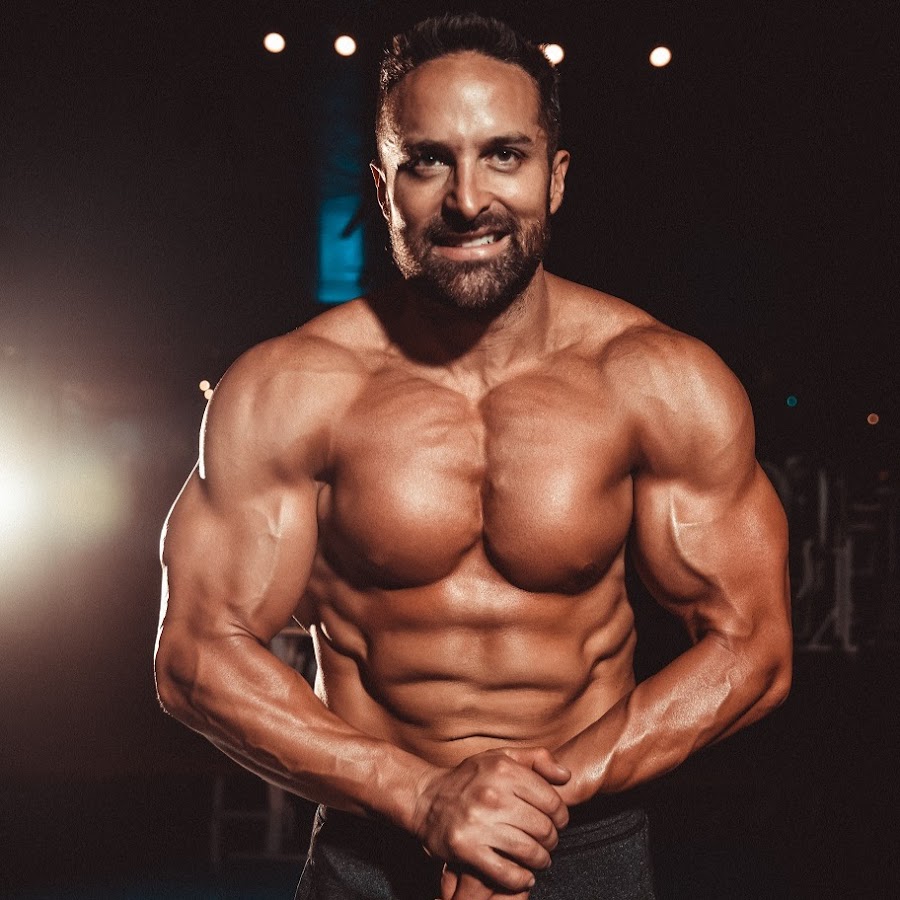
Layne Norton
Watch on YouTube Add to chat My bookmarks← All sources

TL;DR

The four things you'd lose by not watching

4 items

TL;DR

The four things you'd lose by not watching

4 items
1

Layne Norton dismantles the misuse of the First Amendment to evade accountability for making false or harmful claims.

2

He clarifies that the First Amendment only prohibits government censorship, not criticism from private individuals or evidence-based creators.

3

He argues that facing consequences for saying 'dumb stuff' is healthy, expected, and necessary for rational discourse.

4

He shares his own experience of making mistakes and dealing with backlash as a normal and acceptable part of public life.

Protocols

Concrete recipes — what, when, how much, and why

1 item

Accept the consequences of your public claims

WhatWhen you make a public statement that turns out to be factually wrong or harmful, do not hide behind the First Amendment to avoid criticism; instead, accept that people will call you out and that facing consequences is a normal part of discourse.
WhenWhenever you receive public criticism for something you have said or claimed.
For whomAnyone who speaks publicly on factual matters—especially influencers, content creators, and experts.
WhyThe First Amendment only controls government punishment, not the reactions of private individuals. Accountability is essential for rational discourse and personal growth.
CaveatsThis is not about silencing yourself if you have a legitimate, evidence-based position. Engage with the criticism if it's merited; don't pretend the Constitution protects you from being fact-checked.

Norton argues that invoking the First Amendment in response to being called out is a category error. The amendment prohibits Congress from making laws abridging free speech, not from private citizens expressing their own speech rights by pointing out errors. He says, 'I'm not the government. Other evidence-based creators aren't the government.' Therefore, facing pushback is not a constitutional violation—it's someone else exercising their own free speech. He further suggests that if you can't say something you believe because someone might be offended, rational discourse becomes impossible, but that this principle doesn't extend to avoiding consequences for making demonstrably untrue statements. The mature response is to accept that saying 'dumb shit' will have consequences, and that these consequences are not only acceptable but healthy. He models this by sharing his own history of mistakes and the fallout that followed.

Mechanism

The constitutional mechanism: The First Amendment only restrains government action. Private criticism, no matter how harsh, does not constitute censorship within the meaning of the law. Social consequences—loss of credibility, reputational damage, audience pushback—are a feature of free speech, not a bug.

Personal experience

Norton says, 'I've said dumb shit before. I've done dumb shit before. And there were consequences to me saying and doing dumb shit. That is a beautiful thing in life.' He openly admits that he has personally experienced backlash for his own errors and views it as an acceptable, even positive, part of life.

You don't get to invoke the First Amendment because you feel bad because Big Mean Lane and people like him called you out for talking absolute nonsense.

Also said
“The First Amendment says that you can say whatever you like, and you are free from government persecution. I'm not the government.”— Locates the exact boundary of constitutional protection.
“If you do something stupid, if you do something a lot of people don't like, there will be a consequence to it. And that is okay, Dave.”— Normalizes consequences as a healthy part of speaking publicly.

What's new

Personal practice updates, fresh positions, predictions

1 item

First Amendment used to dodge criticism is a fallacy

Norton explicitly rejects the argument that invoking the First Amendment protects someone from being called out for making factually incorrect or harmful claims. He asserts that free speech only shields against government prosecution, not from the consequences imposed by private citizens or evidence-based critics.

Why this matters: It's a common rhetorical shield used by public figures and influencers when they face backlash for misinformation, and Norton directly dismantles it as intellectually dishonest.

Background

Many content creators, when criticized for spreading health or science misinformation, claim that their First Amendment rights are being violated. This argument is frequently used to paint critics as censors.

Norton begins by mocking the idea that one can claim First Amendment protection for 'talking absolute nonsense'. He then explains legally: 'the First Amendment says that you can say whatever you like, and you are free from government persecution. I'm not the government. Other evidence-based creators aren't the government.' So private individuals calling out falsehoods is not a First Amendment issue—it's free speech from the other side. He emphasizes that if people could never say something they believe to be true because someone else might be harmed or offended, rational discourse would collapse. However, when you say something that is demonstrably wrong or harmful, using the First Amendment to avoid accountability shuts down that same discourse. The consequences of saying stupid things—criticism, reputational damage, loss of trust—are natural, not a constitutional violation. He frames this as a necessary part of mature public communication.

Personal experience

Norton admits, 'I've said dumb shit before. I've done dumb shit before. And there were consequences to me saying and doing dumb shit. That is a beautiful thing in life.' He openly acknowledges that he too has faced backlash for his own mistakes and sees it as appropriate and healthy.

You don't get to invoke the First Amendment for talking absolute nonsense.

Also said
“The First Amendment says that you can say whatever you like, and you are free from government persecution. I'm not the government. Other evidence-based creators aren't the government.”— Explains the legal limitation that is frequently ignored.
“If you do something stupid, if you do something a lot of people don't like, there will be a consequence to it. And that is okay, Dave.”— Reframes consequences as a normal, acceptable outcome.
“You don't get to invoke the First Amendment because you feel bad because Big Mean Lane and people like him called you out for talking absolute nonsense.”— Directly ties the fallacy to emotional deflection.

Recommendations

Products, supplements, and tools mentioned in the episode

1 item

Stop using the First Amendment as a shield against criticism

Practice

When confronted with backlash for making false or harmful claims, resist the impulse to claim that your First Amendment rights are being violated. Instead, engage with the substance of the criticism.

The entire segment is a critique of the reflexive use of 'free speech' rhetoric to deflect accountability. Norton explains that the First Amendment does not immunize you from other people pointing out that you are wrong. He emphasizes that this misuse of the amendment shuts down rational discourse rather than protecting it. The healthy course is to own the consequences, not to pretend that being called out is government censorship.

vs alternatives

The alternative—invoking the First Amendment—is presented as an intellectually dishonest attempt to avoid accountability for spreading misinformation.

Personal experience

Norton acknowledges his own history of saying dumb things and facing consequences, framing it as a normal, even beautiful, part of public life.

You don't get to invoke the First Amendment for talking absolute nonsense.

Also said
“The First Amendment says that you can say whatever you like, and you are free from government persecution. I'm not the government.”— Clarifies the distinction between government and private critics.
Find Stop

Notable quotes

Lines worth pulling out — contrarian, specific, or perfectly phrased

4 items
You don't get to invoke the First Amendment for talking absolute nonsense.
Directly and memorably dismisses a common deflection tactic.
The First Amendment says that you can say whatever you like, and you are free from government persecution. I'm not the government.
Succinctly explains the legal boundary that many people misunderstand or deliberately ignore.
If you do something stupid, if you do something a lot of people don't like, there will be a consequence to it. And that is okay, Dave.
Normalizes consequences as a healthy, natural part of public speech.
You don't get to invoke the First Amendment because you feel bad because Big Mean Lane and people like him called you out for talking absolute nonsense.
Sharp, personal framing that connects the fallacy to emotional discomfort rather than principle.

Sign in to share feedback

Tell us if this brief hit the mark or missed it — feedback feeds back into the next iteration of the prompt.

Topics covered

first-amendmentaccountabilityfree-speechconsequences-of-speechrational-discoursepublic-criticism
Free account

Make this library yours

Reading is free for everyone. A free account adds the personal layer: save protocols, follow experts, and see how the other experts weigh in on this same topic.

Create a free accountSign in

Where the experts disagree — weekly

One email a week: the sharpest new disagreements and protocols from the library. No spam, unsubscribe anytime.

Educational summary of the cited expert source — not medical advice. Open the source recording linked above and consult a qualified physician before acting on any protocol.