UNFUCG
DashboardSearchChatBookmarksNotificationsActivityPremiumProfile
?
Home
Search
Chat
Saved
Profile
Episode
More Exercise, More Plaque?
~11 min
Episode Brief·YouTube

More Exercise, More Plaque?

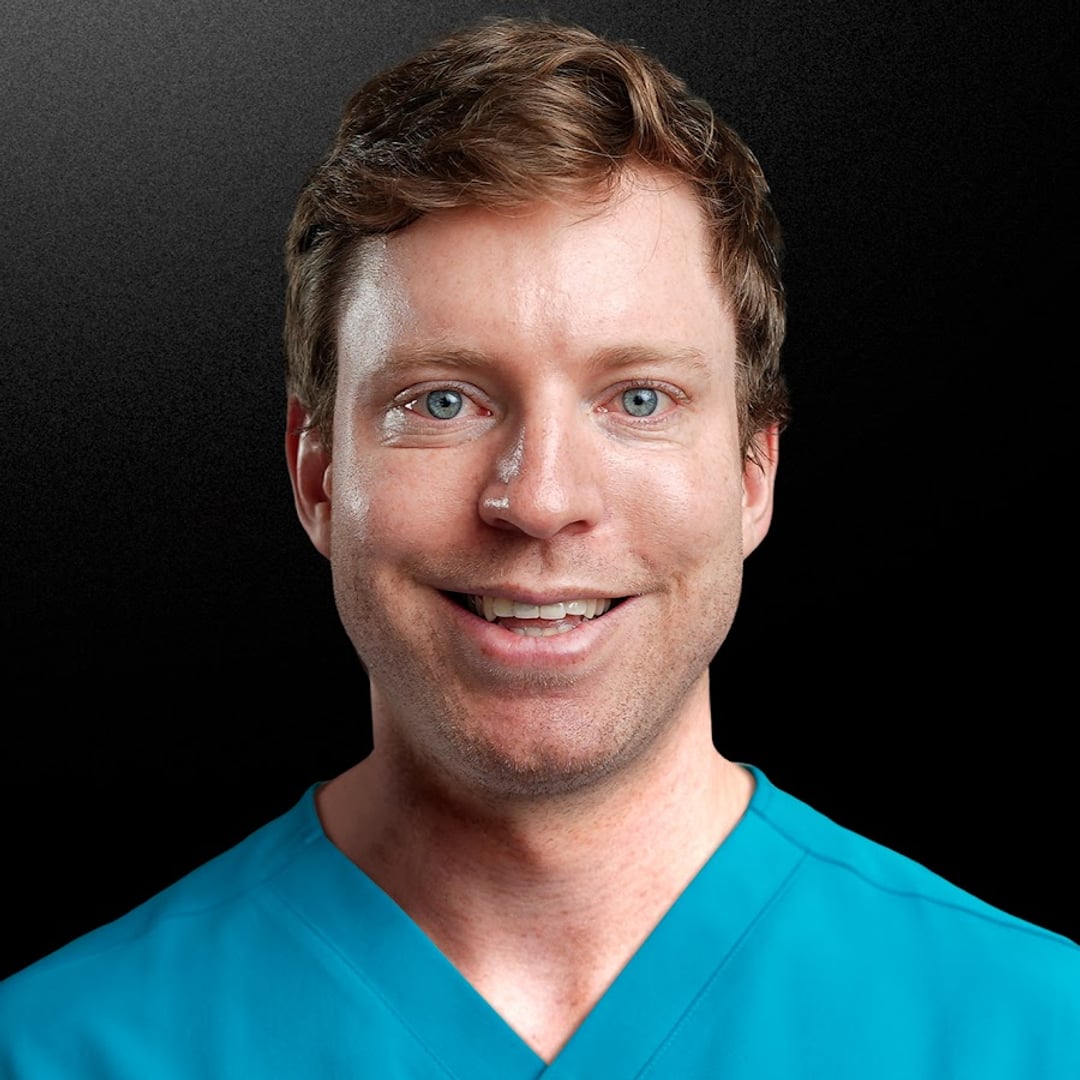
Brad Stanfield
Watch on YouTube Add to chat My bookmarks← All sources

TL;DR

The four things you'd lose by not watching

4 items

TL;DR

The four things you'd lose by not watching

4 items
1

A new study that tracked training load via wearable heart-rate monitors found that athletes with the highest measured intensity had nearly 6× more plaque than the least trained—while old self-reported data showed no association.

2

High exercise volume drives plaque only when it includes large amounts of high-intensity training; intensity alone without high volume did not increase plaque.

3

Despite more plaque, high-volume exercisers do not have higher rates of heart attacks or death in long-term follow-up, and exercise still reduces all-cause mortality.

4

Brad Stanfield, the presenter, personally takes a statin (pravastatin) plus ezetimibe at age 34 with no risk factors to keep LDL cholesterol below 50–60 mg/dL, emphasizing that an athlete’s fitness does not mean they can ignore other cardiovascular risk factors.

Protocols

Concrete recipes — what, when, how much, and why

1 item

LDL Cholesterol-Lowering Regimen (Pravastatin + Ezetimibe)

WhatTake pravastatin at night; if LDL does not fall below 50–60 mg/dL, add ezetimibe (Zetia) to achieve the target.
WhenPravastatin at night; ezetimibe timing not specified but typically once daily.
DoseUnspecified doses; started with pravastatin alone, then added ezetimibe after insufficient LDL reduction.
For whomSpeaker (anecdotal, male, 34, no traditional risk factors, baseline LDL 73 mg/dL) who opts for prevention; intended as a plan to discuss with a doctor, potentially for those with borderline LDL who exercise heavily.
WhyAggressive LDL lowering to below 50–60 mg/dL based on the PISE study, driven by evidence that even very active individuals accumulate plaque and that fitness does not prevent atherosclerosis.
CaveatsRequires prescription; monitor liver enzymes and cholesterol levels; not a substitute for exercise or lifestyle; must be supervised by a physician.

The protocol is Brad Stanfield’s personal strategy to minimize plaque burden in light of the finding that even high-level athletes develop calcified and non-calcified plaque. He argues that managing traditional risk factors is not optional for exercisers. Using a personalized health calculator, he determined that his LDL of 1.9 mmol/L (73 mg/dL) warranted a statin. When pravastatin alone failed to bring LDL below 50–60 mg/dL, he added ezetimibe, a cholesterol absorption inhibitor. He emphasizes that he continues to exercise and views the combination of lifestyle and pharmacology as the optimal approach. He does not specify doses, but the narrative shows a willingness to escalate to reach an ambitious LDL target. The calculator he mentions is free and accessible to the audience; it provided the recommendation to start a statin and later to add ezetimibe. This example illustrates a proactive, personalized model of cardiovascular prevention that prioritizes hard endpoint reduction over reliance on fitness as a shield.

Personal experience

I started pravastatin at night. That wasn't quite enough to get me to below 50 to 60 millig per deciliter. So then I needed to add a zetam. The calculator gave me those recommendations as well.

I also started taking lipid lowering medications a few years ago, even though I’m only 34 and without any other risk factors.

Also said
“It's not a matter of either or, but both. And I aim to get my LDL cholesterol below 50 to 60 milligs per deciliter.”— Shows the philosophy of combining exercise with drugs.
“So I started pravastatin at night. That wasn't quite enough to get me to below 50 to 60 millig per deciliter. So then I needed to add a zetam.”— Details the titration path.

What's new

Personal practice updates, fresh positions, predictions

4 items

Intensity alone without high volume is not linked to plaque, but high volume with high intensity is

04:30–06:00

The new data indicates that high-intensity exercise on its own, without a large total volume, was not associated with high plaque; elevated plaque appeared when high volume included substantial high-intensity training.

Why this matters: Resolves a long-standing debate by teasing apart the independent and interactive roles of intensity and volume, pointing toward volume as a necessary co-factor for the damaging effect.

Background

Researchers have argued whether lifelong cumulative hours (volume) or acute high-intensity efforts (like sprint intervals) drive the plaque signal seen in endurance athletes. Previous data were ambiguous because both often went hand in hand.

Stanfield unpacks the nuanced finding: high-intensity exercise alone wasn’t linked to high levels of plaque buildup. Instead, high training volume showed stronger connections with plaque only when it also included large amounts of high-intensity training. This suggests that it’s the combination—many hours of training that repeatedly spike heart rate—that seems to stress the arterial wall. This dovetails with the new study’s design, where training load (volume × intensity) was the metric that generated the 6× risk relationship. For physically active people who keep volume moderate, intermittent high-intensity sessions may not carry the same plaque-promoting risk. The takeaway is not that high intensity is benign in all contexts, but that the total load matters, and very high volumes of intense work appear to be the problematic zone.

High-intensity exercise alone without lots of volume, it wasn’t linked to high levels of plaque buildup. On the other hand, high volume showed stronger connections with plaque when it included large amounts of high-intensity training.

Also said
“Interestingly, when they looked at the same participants using the conventional self-reported data, the old method, in other words, the association essentially vanished.”— Reinforces that the interaction between volume and intensity was only visible with objective measurement.

The 2023 Masters at Heart study erased the ‘silver lining’ of calcified stable plaque

03:00–04:00

Earlier research suggested that athletes’ plaque was more calcified and thus less likely to rupture, but the comprehensive 2023 study found lifelong endurance athletes had no protective plaque type—just more plaque of equal risk to non-athletes.

Why this matters: It reversed the comforting notion that extreme exercise might produce safer plaque, making it harder to dismiss the plaque burden as harmless.

Background

In 2017, two papers in Circulation noted that the excess plaque in master athletes tended to be calcified, which is considered more stable and less rupture-prone. That ‘silver lining’ was widely cited to reassure athletes.

The 2023 Masters at Heart Consortium included 191 lifelong endurance athletes, 191 late-onset athletes, and 176 active but non-athletic controls, all screened to exclude cardiovascular risk factors. As expected, lifelong endurance athletes had significantly more plaque in their arteries. The bombshell was that, unlike earlier hopes, they did not have a less risky form of plaque. There was no difference in plaque composition favoring stability; the athletes’ plaque was just as potentially dangerous as that of the non-athlete controls. This finding shapes the interpretation of the newer training-load study: even if athletes are not dropping dead at higher rates, they are accumulating plaque that is not inherently safer, making aggressive risk-factor management more pressing.

Troublingly, the lifelong endurance athletes, they did not have a less risky form of plaque than the healthy non-athletes.

Also said
“Then there was this bombshell. Unlike the findings from that last study, there was no silver lining.”— Dramatic language emphasizing the reversal.
“Lifelong endurance athletes had significantly more plaque in the arteries.”— Confirms the raw plaque burden difference.

No increase in heart attacks or mortality despite more plaque in high-volume exercisers

06:00–07:30

A long-term study of over 21,000 participants followed for 17 years showed that while high-volume exercisers had more plaque, they were not more likely to die from heart disease or any cause, and overall mortality was still lower.

Why this matters: It decouples the imaging marker (plaque score) from hard clinical endpoints, suggesting that exercise’s protective effects offset any plaque-promoting mechanism, at least in terms of mortality.

Background

The debate about plaque in athletes always circled back to whether it actually leads to more heart attacks. Without hard outcome data, the plaque findings could not be fully interpreted.

Brad Stanfield cites a study with over 21,000 participants followed for 17 years. High-volume exercisers were more likely to have elevated measures of plaque, matching the pattern seen in athlete cohorts. Crucially, they were not more likely to die from heart disease or other causes. In fact, there remained an overall survival advantage for those with very high training volumes. This data supports the view that the plaque burden seen on CT scans in extreme exercisers is not translating into increased cardiac mortality during the follow-up periods studied. Stanfield frames this as a compelling reason to focus on hard outcomes like death and heart attacks rather than surrogate markers like plaque scores, while also acknowledging that the long-term consequences beyond two decades are not yet known. It reinforces his core message: exercise remains overwhelmingly beneficial.

High volume exercisers were more likely to have elevated measures of plaque, which again matches the pattern, but crucially, they were not more likely to die from heart disease or other causes.

Also said
“When it comes to overall health and overall death rates, there still seems to be an advantage gained by those with very high training volumes.”— Emphasizes the net benefit, not just neutral.
“Exercise, it still lowers all cause mortality.”— Concise summary of the overarching benefit.

Personal adoption of lipid-lowering therapy at age 34 with no risk factors

08:00–09:30

Brad Stanfield, a 34-year-old with no traditional risk factors, began taking pravastatin and later added ezetimibe to target LDL-cholesterol below 50–60 mg/dL, prompted by the data showing that even high-volume exercisers develop plaque.

Why this matters: It’s a concrete, personal practice shift by a doctor who interprets the research, illustrating a ‘belt and suspenders’ approach of combining exercise with aggressive pharmacological risk reduction.

Background

The speaker previously believed that fitness alone might be sufficient, but the accumulating evidence that plaque burden rises with training load—and that it is not necessarily a benign calcified type—convinced him to prioritize LDL lowering even in the absence of standard indications.

Stanfield explains that after reviewing the exercise-plaque literature, he concluded that being fit does not grant immunity from atherosclerosis. He started pravastatin at night, but his LDL only dropped to a level he considered insufficient; he then added ezetimibe (Zetia) to reach an LDL of 50–60 mg/dL. His decision was guided by a personalized risk calculator that incorporated his metrics: male, 183 cm, 83 kg, baseline LDL of 1.9 mmol/L (73 mg/dL). The calculator recommended a statin and later the addition of ezetimibe. He sees this not as ‘either exercise or drugs’ but ‘both.’ He emphasizes that this plan was discussed with a doctor, and he uses it as an example that anyone can generate a similar personalized plan. This is a stark departure from the idea that a young, lean, exercising individual needs no pharmacological prevention, and it underscores the message that markers like LDL should be managed aggressively if you want to minimize plaque formation over a lifetime.

Personal experience

I also started taking lipid lowering medications a few years ago, even though I’m only 34 and without any other risk factors. I want to avoid plaque formation as much as possible, especially with this exercise data.

I also started taking lipid lowering medications a few years ago, even though I’m only 34 and without any other risk factors. I want to avoid plaque formation as much as possible, especially with this exercise data.

Also said
“So I started pravastatin at night. That wasn't quite enough to get me to below 50 to 60 millig per deciliter. So then I needed to add a zetam.”— Details the stepwise escalation to reach target LDL.
“And I aim to get my LDL cholesterol below 50 to 60 milligs per deciliter. And that is due to the PISE study.”— Connects the LDL target to a specific study (PISE).

Recommendations

Products, supplements, and tools mentioned in the episode

2 items

Personalized Health Plan Calculator

Service

Used to input personal metrics (sex, height, weight, LDL level) and receive a tailored plan including medication suggestions to discuss with a doctor.

Stanfield walks through his own use of the calculator: he entered being male, 183 cm, 83 kg, LDL of 1.9 mmol/L (73 mg/dL). The tool recommended starting a statin (pravastatin) and later adding ezetimibe when initial LDL reduction was insufficient. He presents this as a model for proactive cardiovascular risk management, particularly for people who are very active but want to minimize plaque. The calculator translates the evidence from studies like PISE into actionable steps. He encourages viewers to generate their own plan and take it to their physician, framing it as a way to bridge the gap between population-level guidelines and individual risk in the context of exercise data.

Personal experience

And you can get your own personalized health plan to discuss with your doctor here. So for me, I’m male. I’m 183 cm. uh my weight is 83 kg. Uh and then before I went on to cholesterol lowering medications, my LDL cholesterol was 1.9. Uh so in US units that is 73. So a bit higher than what was ideal. So the calculator here will tell me that I should consider starting a statin medication.

You can get your own personalized health plan to discuss with your doctor here.

Find Personalized

Ezetimibe (Zetia)

Product

Added to pravastatin when LDL remained above 50–60 mg/dL, blocks cholesterol absorption in the intestine.

After pravastatin alone proved insufficient, Stanfield added ezetimibe, which works synergistically with statins to further lower LDL. This combination allowed him to reach below 50–60 mg/dL, a target informed by the PISE study. Ezetimibe is generally well tolerated and doesn’t carry the muscle-related side effects that can limit statin dosing. For those who cannot reach aggressive LDL goals with a statin alone, this addition is a common and guideline-supported step.

vs alternatives

Compared to statin monotherapy, the combination lowers LDL more effectively without adding substantial side effects; alternative would be higher-dose statin or a PCSK9 inhibitor (not discussed).

Personal experience

Then I needed to add a zetam. The calculator gave me those recommendations as well.

Then I needed to add a zetam.

Find Ezetimibe

Notable quotes

Lines worth pulling out — contrarian, specific, or perfectly phrased

5 items
Those with the highest intensities had almost six times the risk of developing plaque.
The central shocking statistic from the new study, made possible by wearable heart-rate data.
High-intensity exercise alone without lots of volume, it wasn’t linked to high levels of plaque buildup. On the other hand, high volume showed stronger connections with plaque when it included large amounts of high-intensity training.
Clears up the intensity-vs-volume debate with a nuanced conclusion that changes how athletes should think about training load.
Fitness is not an immunity.
Memorable, succinct summary that even extremely fit individuals must still address cardiovascular risk factors.
I also started taking lipid lowering medications a few years ago, even though I’m only 34 and without any other risk factors.
A personal, counterintuitive move by a young, healthy doctor that challenges the assumption that being fit means you don’t need drugs.
Exercise is still the most powerful tool that we’ve got for promoting healthy, long lives.
Despite the plaque talk, he forcefully reiterates the supreme importance of exercise, preventing misreading of the message.

Sign in to share feedback

Tell us if this brief hit the mark or missed it — feedback feeds back into the next iteration of the prompt.

Topics covered

exercise-plaquemarathon-runnerscalcified-plaquemasters-at-heart-consortiumtraining-intensity-vs-volumewearable-monitorsself-reported-datahigh-intensity-traininglipid-loweringldl-cholesterolstatinezetimibeall-cause-mortalityplaque-stabilitypersonalized-risk-calculator
Free account

Make this library yours

Reading is free for everyone. A free account adds the personal layer: save protocols, follow experts, and see how the other experts weigh in on this same topic.

Create a free accountSign in

Where the experts disagree — weekly

One email a week: the sharpest new disagreements and protocols from the library. No spam, unsubscribe anytime.

Educational summary of the cited expert source — not medical advice. Open the source recording linked above and consult a qualified physician before acting on any protocol.