UNFUCG
DashboardSearchChatBookmarksNotificationsActivityPremiumProfile
?
Home
Search
Chat
Saved
Profile
Episode
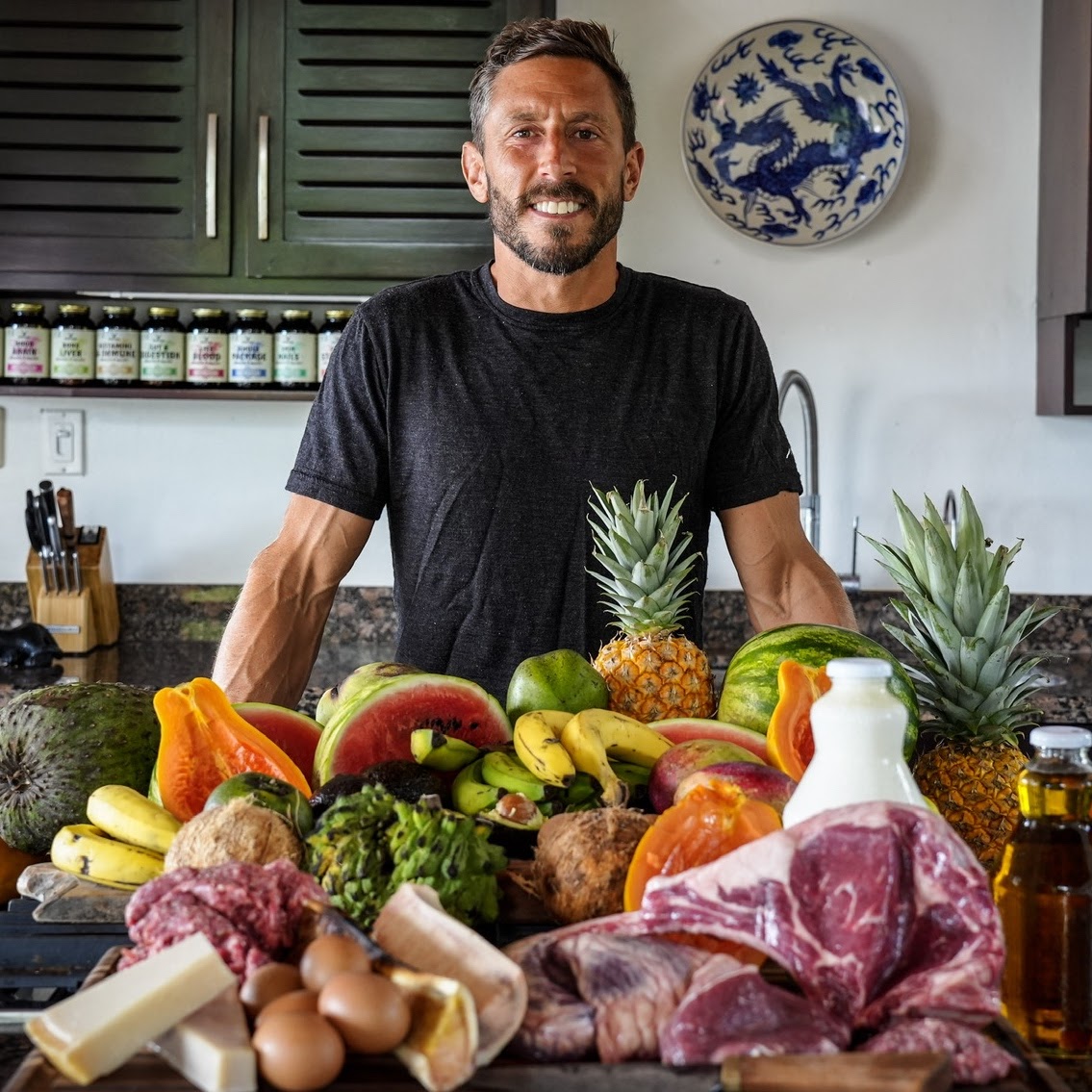
I Flew to Europe to See If Their Food Is Actually Better
~49 min
Episode Brief·YouTube

I Flew to Europe to See If Their Food Is Actually Better

Paul Saladino
Watch on YouTube Add to chat My bookmarks← All sources

TL;DR

The four things you'd lose by not watching

4 items

TL;DR

The four things you'd lose by not watching

4 items
1

European food, particularly in Mallorca, generally has higher quality ingredients, fewer additives, and different wheat varieties compared to the US, contributing to a better perceived health outcome despite similar diabetes rates.

2

Finding high-quality food in Europe often requires seeking out organic specialty stores, farmers' markets, or artisanal producers, as conventional grocery stores still carry many processed items.

3

Olive oil is a staple in Spain, used extensively in cooking and as a condiment, with a strong emphasis on single-source, high-quality varieties, often from local harvests.

4

The 'great-grandmother rule' (don't eat anything your great-grandmother wouldn't recognize as food) is a key principle for improving food quality, applicable in both Europe and the US.

Protocols

Concrete recipes — what, when, how much, and why

6 items

Aligning Circadian Rhythm After Time Zone Changes

WhatGet into the ocean and expose yourself to sunlight.
WhenUpon arrival after crossing time zones.
For whomAnyone experiencing jet lag.
WhySunlight exposure and immersion in natural environments help reset the body's internal clock.
Personal experience

I've already done a bunch of swimming this afternoon.

In case you were wondering, one of the best ways to align your circadian rhythm when you're crossing all these time zones is to get in the ocean, get in the sun obviously.

Choosing Restaurant Meals

WhatAsk what the food is cooked in and opt for grilled items to avoid seed oils.
WhenWhen dining out.
For whomAnyone seeking to maintain a healthy diet while eating out.
WhyTo avoid inflammatory seed oils and processed ingredients.
CaveatsThe speaker notes that he finds this approach 'boring' but effective for his health.
Personal experience

At the restaurants, I always ask just what do you cook in, right? And I'm pretty sure they're not going to use seed oils here cuz they're cooking straight on a grill. When I come to a restaurant, I'm boring. I'm just going to get a steak.

At the restaurants, I always ask just what do you cook in, right? And I'm pretty sure they're not going to use seed oils here cuz they're cooking straight on a grill.

Selecting Olive Oil

WhatChoose olive oil in opaque glass bottles, ideally single-source, and from a recent harvest. Do not cook with it.
WhenWhen purchasing and using olive oil.
For whomAnyone seeking high-quality, beneficial olive oil.
WhyOpaque glass protects from light degradation. Single-source oils are higher quality and less likely to be cut with seed oils. Cooking with olive oil can destroy beneficial polyphenols.
CaveatsAvoid olive oil in plastic or tin containers due to potential plastic leaching.

The speaker emphasizes the importance of packaging for olive oil, recommending opaque glass to protect it from light, which can degrade its quality. He advises against plastic or tin containers, as plastic linings can leach harmful compounds like BPA and BPS into the oil. He also highlights the value of single-source olive oils, which are less likely to be adulterated with cheaper seed oils, a common issue in the US. Furthermore, he stresses that olive oil should not be used for cooking, as the heat destroys most of its beneficial polyphenols. Instead, it should be consumed raw, for example, on salads or bread, to maximize its health benefits, particularly those related to gut flora.

When it comes to olive oil, we're always thinking about glass, opaque glass. What I've learned about olive oil being here in Spain is that they they harvest the olives once a year. Apparently, they do it in like October. So, we're not to the olive harvest. So, all of this olive oil is from last year's harvest.

Also said
“But don't cook with your olive oil, you lose probably most of the benefits if you do that.”— Reinforces the importance of not cooking with olive oil to preserve its benefits.
“A lot of olive oil we get in the States is cut with seed oils. I'm going to guess this isn't.”— Explains a common problem with US olive oil and why single-source is preferred.

Applying the 'Great-Grandmother Rule'

WhatOnly eat foods with ingredients that your great-grandmother would recognize.
WhenWhen evaluating packaged foods.
For whomEveryone, especially those trying to improve their diet quality.
WhyTo avoid modern, processed ingredients, additives, and chemicals that are detrimental to health.

I always think of this rule like if your great grandmother wouldn't recognize an ingredient on that label, why are you eating it? So that's the great grandmother rule. If it fails the great grandmother rule, don't eat it guys. Don't eat it. It's horrible.

Sourcing High-Quality Meat

WhatSeek out grass-fed, grass-finished, regeneratively raised meat, ideally from local farmers. Look for orange fat as an indicator of quality.
WhenWhen purchasing meat.
For whomAnyone looking to consume the highest quality meat.
WhyThese practices lead to more nutritious meat with higher levels of beneficial compounds like beta-carotene.
Personal experience

The meat here was incredible, generally speaking. I got the steak at the grocery store and it was like orange. I mean, that the fat was orange.

Seek out the best quality meat, grass-fed, grass-finished, regeneratively raised. If you need snacks, we got you covered at Lineage. And you guys better believe I brought my Heart & Soil to Europe with me because it was hard to find testicles here.

Also said
“If you can find meat and the fat is orange, you know those cows are good cows.”— Provides a visual cue for identifying high-quality, grass-fed meat.

Consuming Raw Milk

WhatSource raw milk directly from farmers.
WhenWhen seeking dairy.
For whomIndividuals who choose to consume raw milk.
WhyRaw milk is a traditional food, and direct sourcing ensures freshness and connection to the producer.
CaveatsRaw milk is a 'small economy' and can be difficult to find.
Personal experience

I did find raw milk on Mallorca. It was very hard to find. Like you saw, I had to go twice. It was pretty crazy. I mean, the cows are there, and then he had this stainless steel vat of milk that he milked in the morning, and he just gave it to me in glass jars.

If you're getting raw milk, you're probably connected with a farmer. Raw milk is kind of this like this like small economy. So you're closer to the farmer.

What's new

Personal practice updates, fresh positions, predictions

4 items

European Food Quality vs. US Food Quality

21:00

The speaker's trip to Mallorca revealed that while European grocery stores still contain processed foods, the overall food quality, especially in specialty shops and markets, is significantly better than in the US, with fewer additives and different agricultural practices.

Why this matters: This challenges the initial assumption that all European food is inherently healthier, showing a nuanced picture where quality varies but generally surpasses US standards, particularly in artisanal and organic sectors.

Background

The speaker embarked on the trip to investigate common perceptions that European food is healthier and contributes to lower obesity rates, contrasting it with the perceived 'toxic' food environment in the US.

The speaker initially hypothesized that Europe would be a haven of healthy eating, free from the processed foods and obesity prevalent in the US. However, his observations in Mallorca showed a mixed bag. While conventional grocery stores still stocked plenty of junk food, soda, and seed oils, the availability of high-quality, organic, and artisanal products was much greater and more accessible than in the US. He noted that the overall quality of ingredients, particularly meat, produce, and dairy, was superior, and there were significantly fewer chemical additives allowed in European food products compared to the thousands permitted in the US.

Personal experience

The speaker found that even in small, local markets, he could find raw cheese and high-quality produce. He also noted the orange fat on beef, indicating a grass-fed diet, and the practice of not refrigerating eggs due to intact protective coatings, which he believes reduces foodborne illness risk.

What I've noticed about being here is that overall, at least in Majorca, and I explored a lot of this island over the last 2 weeks, the food quality here is far and away better than the United States in general.

Also said
“If you look at the list of ingredients in the United States that have been introduced into our food supply through the GRAS the GRAS standards, it's 5 to 6,000, maybe 7,000. It's only 4 to 500 in Europe.”— Highlights the stark difference in food additive regulations between the US and Europe.
“The meat here was incredible, generally speaking. I got the steak at the grocery store and it was like orange. I mean, that the fat was orange.”— Illustrates a tangible sign of higher quality, grass-fed meat in Europe.

Obesity and Diabetes Rates in Spain vs. US

15:00

While Spain has a significantly lower obesity rate (19%) compared to the US (42%), the diabetes rates are surprisingly similar in both countries (10-15%), suggesting that even with better food quality, processed foods still contribute to metabolic issues.

Why this matters: This finding challenges the direct correlation often assumed between lower obesity and lower diabetes rates, indicating that other factors, including the presence of processed foods even in Europe, play a role in metabolic health.

Background

The speaker initially believed that lower obesity rates in Europe would automatically translate to lower diabetes rates, given the perceived healthier food environment.

The speaker conducted research during his trip and discovered that Spain's obesity rate is less than half that of the United States (19% vs. 42%). However, he was surprised to find that the rates of diabetes in Spain were comparable to those in the US, ranging from 10% to 15%. He posits that diabetes rates might be underestimated in both countries due to lagging diagnoses. This observation led him to conclude that despite the generally higher food quality and fewer additives in Europe, there is still an abundance of processed sugar and seed oils in Spanish grocery stores, contributing to metabolic dysfunction even in a less obese population.

One of the things that's interesting that I figured out doing some research is that the obesity rate in Spain is much lower than the United States. United States, we are super super fat. 42% obesity in the United States. Across Europe, rates of obesity are much lower. In Spain, it's like 19% obesity. So, like half what we have in the states. But the rates of diabetes in Spain are the same as what we have in states.

European Wheat and Gluten Tolerance

19:00

European wheat, particularly heritage varieties, is often better tolerated by individuals who experience issues with US wheat, possibly due to different wheat lineages and less use of glyphosate and other pesticides.

Why this matters: This offers a potential explanation for why some people can eat bread and pasta in Europe without adverse effects, contrasting with their experiences in the US.

The speaker observed that pasta in Spain, even organic wheat pasta, is made from a different lineage of wheat than what is common in the US. He suggests that this older, heritage wheat, combined with the reduced use of glyphosate and other pesticides in many European municipalities, makes it less immunogenic and easier for people to tolerate. He notes that while some individuals may still struggle with wheat, this difference in wheat type and agricultural practices could explain why many people report feeling better after consuming wheat products in Europe compared to the US.

I think this is a big reason that people find it easier to tolerate. In a lot of places in Europe and a lot of municipalities, they don't use glyphosate and other pesticides. This is organic wheat. And I think so, they hopefully they're not using any pesticides on it, but I think that a lot of people find they can come to Italy or Spain like Majorca and eat pasta like this because it's of a different variety of wheat, different lineage than the States.

Folic Acid vs. Folate in Food

27:00

The speaker strongly advises against consuming foods containing folic acid, a synthetic form of folate, due to its potential negative health impacts, especially in children, and its ability to block natural folate utilization.

Why this matters: This highlights a specific, often overlooked ingredient difference between US and European foods that can have significant health implications.

The speaker points out that bread served in European restaurants often lacks added folic acid, unlike many US breads. He explains that folic acid is a synthetic compound that requires enzymatic conversion in the body to become usable folate. This enzyme can become saturated, leading to unmetabolized folic acid accumulation, which has been linked to behavioral and developmental issues in children. Furthermore, unmetabolized folic acid can interfere with the body's ability to utilize natural, bioavailable folate. Therefore, he recommends avoiding folic acid in all foods and supplements.

If you're eating a bread and it has folic acid in the ingredients, you don't want that bread because folic acid is not a form of folate that occurs in nature. Folic acid is a synthetic form of folate that has to be turned into dihydrofolate, tetrahydrofolate in your body, which uses dihydrofolate reductase. That enzyme can get saturated, and then you have unmetabolized folic acid in your body. Higher levels of unmetabolized folic acid are associated with issues in kids, behavioral issues, developmental issues in kids, and they could potentially block the actions of folate, usable folate, bioavailable folate at the receptor in your body.

Recommendations

Products, supplements, and tools mentioned in the episode

1 item

Visiting Farmers' Markets

Practice

A primary method for finding high-quality, local, and seasonal produce and artisanal products in Europe.

The speaker found farmers' markets to be a crucial source of high-quality food in Mallorca. He noted that in Spain and Europe, farmers' markets are common, often occurring daily in different towns, making fresh, local produce readily accessible. He highlighted the ability to connect directly with farmers, which he believes leads to higher quality food. He purchased eggs with intact protective coatings and unique local produce like pear apples and melons, emphasizing the freshness and local origin of the items.

vs alternatives

Presented as superior to conventional grocery stores for sourcing fresh, local, and organic items.

Personal experience

I found a little market in a town called Saraco, a couple of kilometers from where I'm staying in Majorca. And by little, I mean little. You can see basically you've got few eggs, some cheese, some olives, some fruit here, maybe some sausage, little bit of olive oil and wine over there and some produce.

Every town that we go to, there is a farmers market at least once a week. And so, the farmers market in Sant Elm where I'm staying was on Wednesday. And this is Saraco, which is 3 miles away. It's on Saturdays. And there's another one on this day. So, like it seems like in Spain and in Europe, you could find a farmers market like this, like even a small one with local produce almost every single day of the week.

Also said
“I think the closer you get to the farmer, the higher quality your food gets.”— Explains the rationale behind seeking out farmers' markets.
Find Visiting
Disclosed sponsorships4speaker disclosed

Lineage Meat Sticks

Supplement Sponsored · disclosed

Used as a convenient, healthy snack for travel.

DisclosureThe speaker is affiliated with Lineage Provisions.

vs alternatives

Presented as a superior alternative to typical airport food options.

Personal experience

I've got a bunch of food for the flight. Let me show you guys what I got for this flight. I have squash and cucumber. It looks gross. I got peaches. I got plums, meat that I cooked yesterday. That is honeydew melon in glass. We've got a huge thing of berries and of course we've got lineage meat sticks.

And of course we've got lineage meat sticks. That's about it.

Also said
“Lineage meat sticks, Lineage air-dried steak saved my butt, best for traveling.”— Highlights their utility for travel.
Find Lineage

Heart & Soil Supplements

Supplement Sponsored · disclosed

Used to ensure organ meat consumption while traveling, especially when fresh options are unavailable.

DisclosureThe speaker is affiliated with Heart & Soil.

vs alternatives

Provides a convenient way to consume organ meats when fresh organs are difficult to source.

Personal experience

And you guys better believe I brought my Heart & Soil to Europe with me because it was hard to find testicles here. So I was glad that I had my whole package Heart & Soil supplement.

And you guys better believe I brought my Heart & Soil to Europe with me because it was hard to find testicles here.

Also said
“And Heart & Soil makes it super easy to bring organs with you everywhere.”— Emphasizes the convenience for travel.
Find Heart

Food for Humans Movie Tour

Service Sponsored · disclosed

An upcoming event for those interested in food and health.

DisclosureThe speaker is promoting his own movie.

You guys, I made a movie. It's called Food for Humans and I'm going on tour. Five cities, five private screenings and red carpet events. New York, Chicago, Dallas, Phoenix, and Los Angeles. I want to see you there.

Find Food

Paul Saladino's Free Newsletter

Service Sponsored · disclosed

A resource for information on food science, pesticides, additives, and health topics.

DisclosureThe speaker is promoting his own newsletter.

If you guys are interested in this kind of stuff, you want to know about the differences in US food and European food, all the science around pesticides and additives and why you can feel good in Europe and not in the US, I put all this stuff into my newsletter every Sunday.

Find Paul

Notable quotes

Lines worth pulling out — contrarian, specific, or perfectly phrased

6 items
If you have any questions about why Americans are fat sick and unhealthy, look at the food options here.
A direct and provocative statement linking American food choices to health issues.
Sugar pornography. I don't even think these things existed anymore. Pure sugar plus synthetic petroleum derived food dyes. That's got to be good for your gut. This is like the new probiotic guys. Just super bad lollipops.
A sarcastic and vivid description of highly processed, unhealthy candies, highlighting their detrimental effects on gut health.
Why are there no gyms in airports? Why is there not a pull-up bar right there on the wall? We have all these people just sitting around in airports waiting for their flights, eating garbage food. Why doesn't every airport not have a free gym, a pull-up bar even some like squat machines.
A critical observation about the lack of health-promoting infrastructure in airports, contrasting with the prevalence of unhealthy food options.
I would say butter is one of the most uniquely nutritious things on the planet. Stearic acid, a healthy saturated fat. You've got fat-soluble vitamins, vitamin A, vitamin E, vitamin K2. It's going to be rich in fat. We know the vitamin K2 consumption is associated with lower rates of cardiovascular disease in like observational studies like the Rotterdam study.
A strong defense of butter as a highly nutritious food, contrasting with its low Nutri-score rating in Spain.
I don't usually dress like this, guys, but I'm going to go check out a restaurant in Spain. It's like 7:45. So, I don't think there's going to be anybody in the restaurant because nobody goes out to dinner. I can hear there's some people, but who would go out to dinner here you're so late.
A humorous observation about European dining culture and late meal times, contrasting with typical American habits.
I'm generally not a biohacker, but I've accumulated, you know, 48 years of toxins um being a human on the earth, and I'm really curious to see what was in my plasma that they filtered out.
A candid admission about undergoing a 'blood cleaning procedure' despite not identifying as a biohacker, driven by curiosity about accumulated toxins.

Sign in to share feedback

Tell us if this brief hit the mark or missed it — feedback feeds back into the next iteration of the prompt.

Topics covered

european food qualityus food qualitymallorca foodprocessed foodsseed oilsfood additivesobesity ratesdiabetes rateseuropean wheatgluten toleranceglyphosatepesticidesfolic acidfolateraw milkartisanal cheesefarmers marketsolive oilsingle-source olive oilcooking with olive oil
Free account

Make this library yours

Reading is free for everyone. A free account adds the personal layer: save protocols, follow experts, and see how the other experts weigh in on this same topic.

Create a free accountSign in

Where the experts disagree — weekly

One email a week: the sharpest new disagreements and protocols from the library. No spam, unsubscribe anytime.

Educational summary of the cited expert source — not medical advice. Open the source recording linked above and consult a qualified physician before acting on any protocol.