UNFUCG
DashboardSearchChatBookmarksNotificationsActivityPremiumProfile
?
Home
Search
Chat
Saved
Profile
Episode
Gary Brecka's Top 5 Biohacks That Are Completely Free! | TUH #256
~16 min
Episode Brief·YouTube

Gary Brecka's Top 5 Biohacks That Are Completely Free! | TUH #256

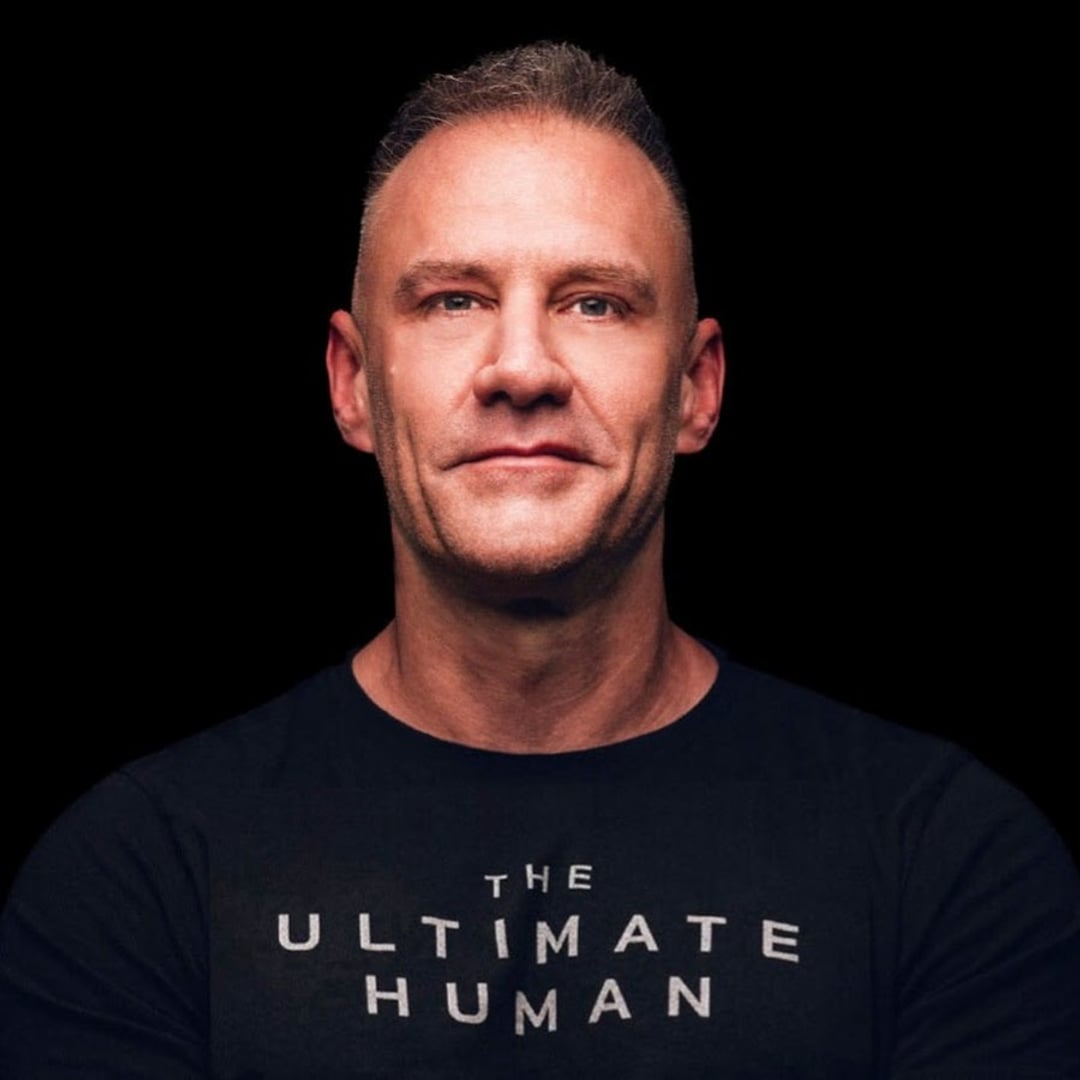
Gary Brecka
Watch on YouTube Add to chat My bookmarks← All sources

TL;DR

The four things you'd lose by not watching

4 items

TL;DR

The four things you'd lose by not watching

4 items
1

Gary Brecka's top five biohacks are completely free and portable: sunlight, grounding, breathwork, an optimized sleep routine (cold dark room, cotton eye mask, breathwork), and cold plunging with a DIY setup.

2

For mood disorders, he advises making daily mobility non-negotiable (30-min walk outside, rucking with a weighted vest), trying Iranian saffron, and cold plunging at 48–52°F for 3–6 minutes.

3

He details a specific sleep protocol: contrast shower before bed, magnesium glycinate/threonate, breathing technique to expel racing thoughts, and keeping the phone six feet away.

4

Mold toxicity signs include sore joints, crushing fatigue, and brain fog; he recommends the Vibrant Total Toxicity test, his free 8–12-week detox guide, and binders/sauna/ozone as core treatments.

Protocols

Concrete recipes — what, when, how much, and why

4 items

Cold plunge protocol

WhatImmersion in cold water at 48–52°F for 3–6 minutes to elicit hormetic stress and release of mood-enhancing neurotransmitters.
WhenNot specified beyond general daily use; ideally in the morning to change the trajectory of the day.
Dose3 minutes minimum, 6 minutes maximum, water temperature between 48° and 52°F. Not longer or colder.
For whomAnyone, including those with mood disorders; Brecka explicitly recommends it for depression but also uses it personally.
WhyTriggers peripheral vasoconstriction, brown fat activation, cold shock protein release, and a spike in norepinephrine and dopamine, delivering an immediate mood lift without overtaxing the body.
CaveatsLonger is not better, colder is not better. Exceeding 6 minutes or dropping much below 48°F risks overstress. If a proper cold plunge isn't available, start with cold showers or a DIY ice-block bath.

Brecka shares that he and Kyle Forgeard from the Nelk Boys had just done a cold plunge before recording, noting his finger was still white. He says, 'If you want to cure depression, push somebody in cold water.' He insists the key is the narrow therapeutic window: 3–6 minutes, 48–52°F. That alone is sufficient to get the desired physiological responses. He warns against extremes, because people can overdo cold exposure, defeating its purpose. For those without a cold plunge, he recommends starting with cold showers and graduating to a DIY bath: freeze water in Tupperware containers, crack the ice directly into a tub of cold water, and it stays cold for about three days—no need to buy bags of ice or expensive equipment.

Mechanism

Brief cold exposure (cold shock) causes peripheral vasoconstriction, which shunts blood to the core and brain. Brown adipose tissue activates to generate heat, boosting metabolic rate. The stress activates the sympathetic nervous system, leading to a surge of norepinephrine (up to 200–300% in some studies) and dopamine, which Brecka says can persist for hours, acting as a powerful mood reset. He also mentions cold shock proteins, which are cellular stress-response chaperones that aid repair and resilience. By keeping duration under 6 minutes and temperature above 48°F, the stress remains hormetic—enough to provoke adaptation without inflammatory overload.

Personal experience

Brecka says, 'Does Gary Brecka do cold plunges? I absolutely do cold plunges. I think my finger is still white from the cold plunge I just got out of.' He details doing a 3–4-minute plunge that day with a guest. He recounts the advice he heard: 'If you want to cure depression, push somebody in cold water.' He states it’s almost impossible to be in a bad mood after exiting the plunge.

3 minutes minimum, 6 minutes maximum, between 48° and 52° F. That's it. All you need to do is solicit those responses, peripheral vasoconstriction, brown fat activation, the release of cold shock proteins, and a spike of norepinephrine and dopamine.

Also said
“If you want to cure depression, push somebody in cold water. … it's very easy to be in a bad mood getting into a cold plunge. It's almost impossible to be in a bad mood getting out.”— Captures his claim about the profound mood-altering effect of cold immersion.
“You can actually take Tupperware containers, freeze blocks of ice in your freezer, and then open you know, crack those blocks of ice right into your tub, and you'll have a cold plunge for 3 days.”— Provides the DIY cold plunge method for those without commercial units.

Bedtime breathwork for racing thoughts

WhatA lying-in-bed breathing technique combining paced respiration with a visualisation of physically capturing and exhaling intrusive thoughts.
WhenWhile in bed, just before sleep.
DoseLong slow inhale through the nose, a pause, and a very long exhale through an imaginary straw. Repeat as long as needed; no set number of cycles.
For whomPeople who ruminate at night and have trouble falling asleep because their mind is racing.
WhyReduces mental chatter by giving the mind a tangible task and engages parasympathetic nervous system through extended exhalation, breaking the cycle of rumination.
CaveatsNone mentioned, other than that it may sound 'crazy' but is effective.

Brecka explains that this technique emerged from his own need to quiet a racing mind before sleep. He instructs: 'I actually imagine all the thoughts that are going on in my head. I actually grab those, and I breathe them into my lungs, and I actually hold the thoughts in my lungs, and I slowly breathe those thoughts out.' He acknowledges it sounds strange but stands by its efficacy. He ties it to the broader sleep protocol, where this breathwork is the final step after the contrast shower, magnesium, and darkening the room.

Mechanism

Slow, nasal breathing with extended exhales activates the vagus nerve and decreases sympathetic tone, lowering heart rate and cortisol. The visualisation component—grabbing thoughts, pulling them into the lungs, holding, and breathing them out—acts as a cognitive reframing exercise that redirects attention away from abstract worry and into a physical process, essentially a somatic mindfulness practice that interrupts the default mode network’s rumination patterns.

Personal experience

He says, 'I have a breathwork routine that I use in bed, which is very very simple.' He personally uses the 'imaginary straw' exhalation and the thought-grabbing visualisation nightly. He shares the exact internal monologue: 'Did I get everything on my grocery list? Did … my belt match my shoes? Did I return that Instagram post? … Just grab that thought, pull it into your lungs, and breathe it out.'

I actually imagine all the thoughts that are going on in my head. I actually grab those, and I breathe them into my lungs, and I actually hold the thoughts in my lungs, and I slowly breathe those thoughts out.

Also said
“It's a long slow inhale through my nose, followed by a pause and a very long exhale through an imaginary straw.”— Describes the breathing mechanics separate from the visualisation.

Morning meal structure for mood and energy

WhatFirst meal between 10 a.m. and noon, heavy on protein and fat, with fermented vegetable and berries, and dinner completed by 8 p.m. at the latest.
WhenFirst meal after a morning workout, between 10 a.m. and noon; last meal by 8 p.m., never within 2 hours of bedtime.
DoseTypically 3–5 eggs, a quarter avocado, optional raw goat cheese, a serving of fermented vegetable (sauerkraut or kimchi), and a 'fistful' of berries. Three meals total per day, no snacks or occasional whole-fat Greek yogurt snack.
For whomBrecka’s personal protocol; model for those following a moderate fasting window with an early dinner.
WhyEating protein and fat in the morning stabilizes blood sugar and provides satiety; avoiding food before bed improves sleep quality based on numerous sleep studies and his own sleep challenge data. Fermented foods support gut health, and berries supply antioxidants without high sugar.
CaveatsHe rarely snacks and when he does, it’s a specific Greek yogurt treat. The meal timing assumes a morning workout.

Brecka was asked if he eats three or six meals, and he clarified he eats three. His morning meal deliberately focuses on 'proteins and fats.' He also described a new 'go-to' sweet snack replacement to avoid ice cream: whole-fat Greek yogurt with grain-free granola, a tablespoon of honey or monk fruit, blueberries, and crushed nuts, which he calls his 'new Ben & Jerry’s.' This demonstrates his approach to managing cravings by substituting with high-protein, high-fat, naturally sweetened options rather than outright restriction. He stresses the importance of the 2-hour pre-bed fasting window for sleep quality.

Mechanism

Delaying the first meal until after a workout and keeping it low in refined carbohydrates encourages lipolysis and fat oxidation that began during exercise. The combination of protein (eggs, goat cheese) and fat (avocado) promotes glucagon release and satiety hormones (PYY, CCK) while minimizing insulin spikes. The small amount of berries provides polyphenols and low glycemic fructose, and fermented vegetables add probiotics and short-chain fatty acids that support gut-brain axis signalling. The hard stop on food intake 2 hours before bed prevents elevated blood glucose and core temperature during early sleep, both of which suppress melatonin and growth hormone secretion.

Personal experience

Brecka says: 'Does Gary Brecka eat three meals or six? I eat three meals. I usually start my first meal after my morning workout … sometime between 10:00 a.m. and noon. Try to eat my last meal by 8:00 p.m., no later. I'm really vigilant about not eating within 2 hours of bedtime.' For the snack he says: 'That is my new Ben & Jerry's, by the way. Try it if you are a snacker and you like sweets.'

My morning meal focuses on proteins and fats. I will usually have quarter avocado, eggs. I'll have three to five eggs, and sometimes I'll put some raw goat cheese on those eggs. I'll usually have a little bit of fermented vegetable like sauerkraut or kimchi, and then I'll take a nice big fistful of berries.

Also said
“I rarely snack, but when I do, I'll snack on things like whole fat Greek yogurt with grain free granola and a tablespoon of honey. That is my new Ben & Jerry's.”— Describes the specific sweet-craving substitute he uses.
“I'm really vigilant about not eating within 2 hours of bedtime.”— Reinforces the sleep-supporting eating window rule.

Mobility as a mood disorder intervention

WhatMake daily exercise non-negotiable, starting with a 30-minute walk outside, and add a weighted vest for rucking, to improve mood disorders like depression.
WhenDaily, ideally outdoors.
Dose30-minute walk outside, optionally with a weighted vest. Rucking with a vest adds intensity without needing a gym.
For whomAnyone struggling with any type of mood disorder; also suitable for all fitness levels.
WhyMobility increases dopamine and norepinephrine, both mood neurotransmitters. Clinical studies support walking outdoors for emotional state improvement. Adding weight via a vest amplifies the effect for less perceived time input.
CaveatsNot a substitute for professional medical treatment—Brecka states he is not a physician and cannot give medical advice. Start with unweighted walking and gradually add vest weight.

When asked how he treats depression, Brecka immediately stressed that he is not a physician but then outlined his go-to advice for mood disorders. First and foremost is making mobility non-negotiable. He cites clinical studies showing what a 30-minute outdoor walk can do for mood. He suggests rucking—walking with a weighted vest—as a way to 'get more for less' by adding a few pounds to a regular walk. This, he says, raises dopamine and norepinephrine. The outdoor component is critical; he specifies a walk 'outside.' He combines this with saffron supplementation and cold plunging, saying 'nothing beats consistent mobility.' The weighted vest is his favourite tool to amplify the benefits of walking without needing to run or go to a gym.

Mechanism

Walking, especially outdoors in natural light, stimulates serotonin and dopamine production via circadian entrainment and retinal input to the suprachiasmatic nucleus. The addition of a weighted vest increases load, recruiting more muscle fibres and elevating heart rate, which enhances the release of norepinephrine and dopamine through acute physical stress. This hormetic stress mirrors the effect he describes for cold plunging: a deliberate, controlled stressor that upward-regulates mood neurotransmitters. He also ties it to the concept of doing 'something hard,' which raises dopamine through effort-based reward pathways.

Personal experience

Brecka says: 'One of my favorite things to do, no matter where you are at what stage of your health and fitness journey, is just walk outside with a weighted vest. Take one of those vests, zip it up, and go for a 30-minute ruck walk.'

It is astounding what a 30-minute walk outside can do for your mood and your emotional state. There are clinical studies that support this, too.

Also said
“If you're somebody that is struggling with a mood disorder, it's critical that you make mobility non-negotiable, meaning exercise non-negotiable.”— Emphasizes the non-negotiable prioritization above supplements.
“When you do something hard and you put effort into things, you raise your dopamine, you raise your norepinephrine. These are mood neurotransmitters.”— Explains the biological rationale behind adding a weighted vest.

What's new

Personal practice updates, fresh positions, predictions

2 items

Top 5 free and portable biohacks

Gary Brecka distills his most recommended biohacks into five completely free, universally accessible practices that can be done anywhere.

Why this matters: In a field often dominated by expensive devices, he anchors his top biohacks on zero-cost, equipment-free modalities, positioning them as the non-negotiable foundation.

Background

Mainstream biohacking culture frequently emphasizes gadgets, cold plunge tanks, red light panels, and high-tech wearables. Brecka counters that by highlighting practices requiring no purchase.

Brecka lists his top five: sunlight, grounding (barefoot on earth), breathwork, a robust sleep routine, and cold exposure. He explains that these are 'free portable biohacks that every single person can do' and that they outperform many expensive interventions because they leverage fundamental physiological pathways. The sleep portion receives special depth: he keeps the room cold and dark, uses a cotton eye mask, performs a long slow inhale with a pause followed by a long exhale through an imaginary straw, and visualises grabbing intrusive thoughts, pulling them into his lungs, and breathing them out. He frames this as accessible 'biohacking my sleep.' He also adds that among his favorite modalities are red light sauna and cold plunging, but they are secondary to these foundational practices.

Personal experience

Brecka says, 'I biohack my sleep. I have a very specific sleep routine that I use.' He describes his nightly breathwork and the visual technique he employs to clear his mind.

My top five biohacks are all of the free portable biohacks that every single person can do. And here they are in no certain order. One, sunlight. Two, grounding. Three, breathwork. … Number four, I would say as a biohack is my sleep. I biohack my sleep.

Mold toxicity as a hidden cause of recurrent infections

Brecka asserts that mold in the nasopharynx is often behind recurrent sore throats in children and that standard labs miss it, requiring specific mold panels.

Why this matters: He challenges physicians who dismiss mold toxicity as inert, linking it directly to pediatric recurrent throat infections via a well-known biological antagonism between mold and bacteria (penicillin and strep).

Background

Conventional medicine often attributes recurrent pharyngitis to bacterial reinfection or immune weakness without considering environmental mold as a trigger.

Brecka explains that when mold gets into the back of the nasopharynx, it can go dormant and then sporulate, igniting local bacteria. He references the historic animosity between mold and bacteria: penicillin (from mold) kills strep. The result: a child’s sore throat may not be a new infection but a sporulation event. He urges parents to test for mold if their children get recurrent sore throats. He also lists adult signs: sore and achy joints (especially in the morning), crushing fatigue, and debilitating brain fog where 'names and times and dates … should come to you are not coming to you.' He notes that this doesn’t show up on standard labs and recommends a Vibrant Total Toxicity test. His website offers a free detailed 8–12 week detox guide involving sauna, binders, specific supplements, and ozone therapy (intravenous, transdermal, EBO2/EBO3). He strongly counters medical gaslighting: 'There are a lot of physicians out there that will tell you that mold toxicity doesn’t exist or that it’s inert or harmless to human beings. Nothing could be further from the truth.'

Mold and bacteria have hated each other for centuries. Think about penicillin, mold, and strep, bacteria. When these two meet each other, penicillin kills strep. So, these two hate each other.

Recommendations

Products, supplements, and tools mentioned in the episode

5 items

100% cotton eye mask (Amazon)

Product

Part of his sleep biohack: keep the room dark, use an eye mask that is all cotton to avoid polyester or inorganic materials next to the face while respiring.

Gary emphasizes that the eye mask must be all cotton because synthetic materials against the face during respiration all night can be problematic. He suggests getting a basic cotton one from Amazon for about $12. He uses it himself nightly.

Personal experience

Brecka states: 'I use a cotton eye mask, which you can get off of Amazon for about 12 bucks. Make sure it's all cotton. You don't want polyester or any of those inorganic materials being next to your face all night, especially if you're respiring.'

You don't want polyester or any of those inorganic materials being next to your face all night, especially if you're respiring. So, a cotton eye mask to get all of the light out of your eyes.

Find 100%

Weighted vest for rucking

Product

Recommends walking outside with a weighted vest for 30 minutes to boost mood and raise dopamine/norepinephrine, accessible for all fitness levels.

He says, 'Take one of those vests, zip it up, and go for a 30-minute ruck walk.' No specific brand is mentioned; the vest is a generic tool to add intensity to a walk and elevate mood neurotransmitters.

Personal experience

Brecka calls this 'one of my favorite things to do.' He describes it as a way to 'get more for less.'

One of my favorite things to do, no matter where you are at what stage of your health and fitness journey, is just walk outside with a weighted vest.

Also said
“Take one of those vests, zip it up, and go for a 30-minute ruck walk. Just add a few pounds to a regular walk, and get more for less.”— Emphasizes the efficiency and simplicity of adding a vest.
Find Weighted

Magnesium glycinate or magnesium threonate

Supplement

Taken at night as part of a sleep protocol for those who ruminate and have trouble falling asleep.

In his sleep challenge, he added magnesium (specifically glycinate or threonate) at night. These forms are known for high bioavailability and calming effects on the nervous system. He does not specify a dose; the recommendation is to incorporate them into a larger sleep routine.

For those of you that ruminate at night, and you have a hard time falling asleep because your mind is awake, we added magnesium at night, magnesium gly[n]ate or magnesium thre[e]nate.

Find Magnesium

Iranian saffron

Supplement

Recommended for mood issues, with a preference for Iranian saffron that looks like tiny hard maroon-colored rods; a fingerful on the tongue.

He mentions that the evidence for saffron and mood disorders is 'phenomenal' and that he would use it 'very often' with clients. He specifies the best comes from Iran and describes it as 'little tiny hard little tiny maroon-colored rods.' He does not mention a brand, just the origin.

The evidence on saffron and mood issues is phenomenal, but nothing beats consistent mobility.

Also said
“I get this Iranian saffron. It looks like little tiny hard little tiny maroon-colored rods, and just a fingerful of those on your tongue.”— Describes the form and dose he recommends.
Find Iranian

Vibrant Total Toxicity Test (mold panel)

Service

A specific lab test for mold toxicity, mentioned as the method to detect mold in the blood when standard labs fail.

He says, 'You can test it with a mold panel. You can do something called a Vibrant Total Toxicity Test.' This test is emphasized because mold symptoms (joint aches, crushing fatigue, brain fog) won't appear on standard blood work.

This doesn't show up on a standard lab. You can test it with a mold panel. You can do something called a Vibrant Total Toxicity Test.

Find Vibrant
Disclosed sponsorships2speaker disclosed

Free mold detox guide (on Gary Brecka's website)

Book Sponsored · disclosed

An 8- to 12-week protocol covering sauna, binders, supplements, and ozone therapy for those who test positive for mold.

DisclosureGary Brecka created this guide and offers it for free on his website.

After describing the signs and testing, he directs listeners to his website for a free downloadable guide. He describes it as 'completely free' and says, 'you can download it and follow it like the guide that it’s meant to be and you can get mold out of your body.' It codifies the sauna, binders, supplements, and ozone modalities he listed.

Go over to my website, do my 8-week or 12-week mold detox. I talk about how you get mold out of your body with sauna, with binders, what supplements to take.

Also said
“I wrote a guide, it's completely free, you can download it and follow it like the guide that it's meant to be and you can get mold out of your body.”— Confirms the guide is free and actionable.
Find Free

The Ultimate Human VIP Community

Service Sponsored · disclosed

A paid community where Brecka offers private podcasts, monthly live sessions (2–3 hours), post-challenge lives, exclusive detox guides, and an AI trained on his content.

DisclosureThis is Gary Brecka's own subscription community at theultimatehuman.com/vip, costing $97/month.

Brecka encourages joining: 'I'd really encourage you to try this community out. It's 97 bucks a month. … This is the most incredible community of like-minded people. You will pay $97 a month, you'll get private podcasts with me. I do lives every month, 2 to 3 hours of lives. … There is an ask Gary anything AI that we've been building for 2 years. You can literally ask it anything, it will respond like it's me. So, you could feed it labs, you can feed it genetic testing, you can ask it for advice on cold plunging … It's probably the thing that my community likes the most.' He notes that some content there cannot be placed on public YouTube or media.

It's 97 bucks a month. … This is where I pour myself into a community. … I do lives every month, 2 to 3 hours of lives. … There is an ask Gary anything AI … you can literally ask it anything, it will respond like it's me.

Also said
“I do lives after every challenge. I wrote mold detox guides, heavy metal detox guides. There are a lot of things there that I can't put out on YouTube or into the general media.”— Highlights the exclusive content inside the community.
Find The

Notable quotes

Lines worth pulling out — contrarian, specific, or perfectly phrased

6 items
If you want to cure depression, push somebody in cold water. It's very easy to be in a bad mood getting into a cold plunge. It's almost impossible to be in a bad mood getting out.
A bold, memorable claim about the antidepressant power of cold water immersion, delivered with a touch of humor.
3 minutes minimum, 6 minutes maximum, between 48° and 52° F. That's it.
Very specific, actionable parameters for cold plunging that define the sweet spot according to his experience.
Mold and bacteria have hated each other for centuries. Think about penicillin, mold, and strep, bacteria. When these two meet each other, penicillin kills strep. So, these two hate each other.
A vivid analogy explaining why mold sporulation in the nasopharynx can ignite recurring strep throat infections.
I actually imagine all the thoughts that are going on in my head. I actually grab those, and I breathe them into my lungs, and I actually hold the thoughts in my lungs, and I slowly breathe those thoughts out.
A novel, highly visual breathwork-cognition technique that turns abstract rumination into a physical process.
All biohacks that every single one watching this could implement tomorrow, and will not cost you a thing.
Reinforces the core message that the most impactful biohacks are free and universally accessible.
It is astounding what a 30-minute walk outside can do for your mood and your emotional state. There are clinical studies that support this, too.
Succinctly captures the power of outdoor mobility for mental health, backed by his appeal to evidence.

Sign in to share feedback

Tell us if this brief hit the mark or missed it — feedback feeds back into the next iteration of the prompt.

Topics covered

biohacksfree-biohackssleep-routinebreathworkcold-plungingmold-toxicitymold-detoxdepression-mood-disordermobility-exercisesaffroncontrast-showermagnesiummeal-timingprotein-fat-breakfastgreek-yogurt-snackweighted-vestvibrant-toxicity-testozone-therapyvip-communityphone-distance
Free account

Make this library yours

Reading is free for everyone. A free account adds the personal layer: save protocols, follow experts, and see how the other experts weigh in on this same topic.

Create a free accountSign in

Where the experts disagree — weekly

One email a week: the sharpest new disagreements and protocols from the library. No spam, unsubscribe anytime.

Educational summary of the cited expert source — not medical advice. Open the source recording linked above and consult a qualified physician before acting on any protocol.