UNFUCG
DashboardSearchChatBookmarksNotificationsActivityPremiumProfile
?
Home
Search
Chat
Saved
Profile
Episode
What is Looksmaxxing? The Science Behind Improving Your Appearance Without Surgery | TUH #262
~12 min
Episode Brief·YouTube

What is Looksmaxxing? The Science Behind Improving Your Appearance Without Surgery | TUH #262

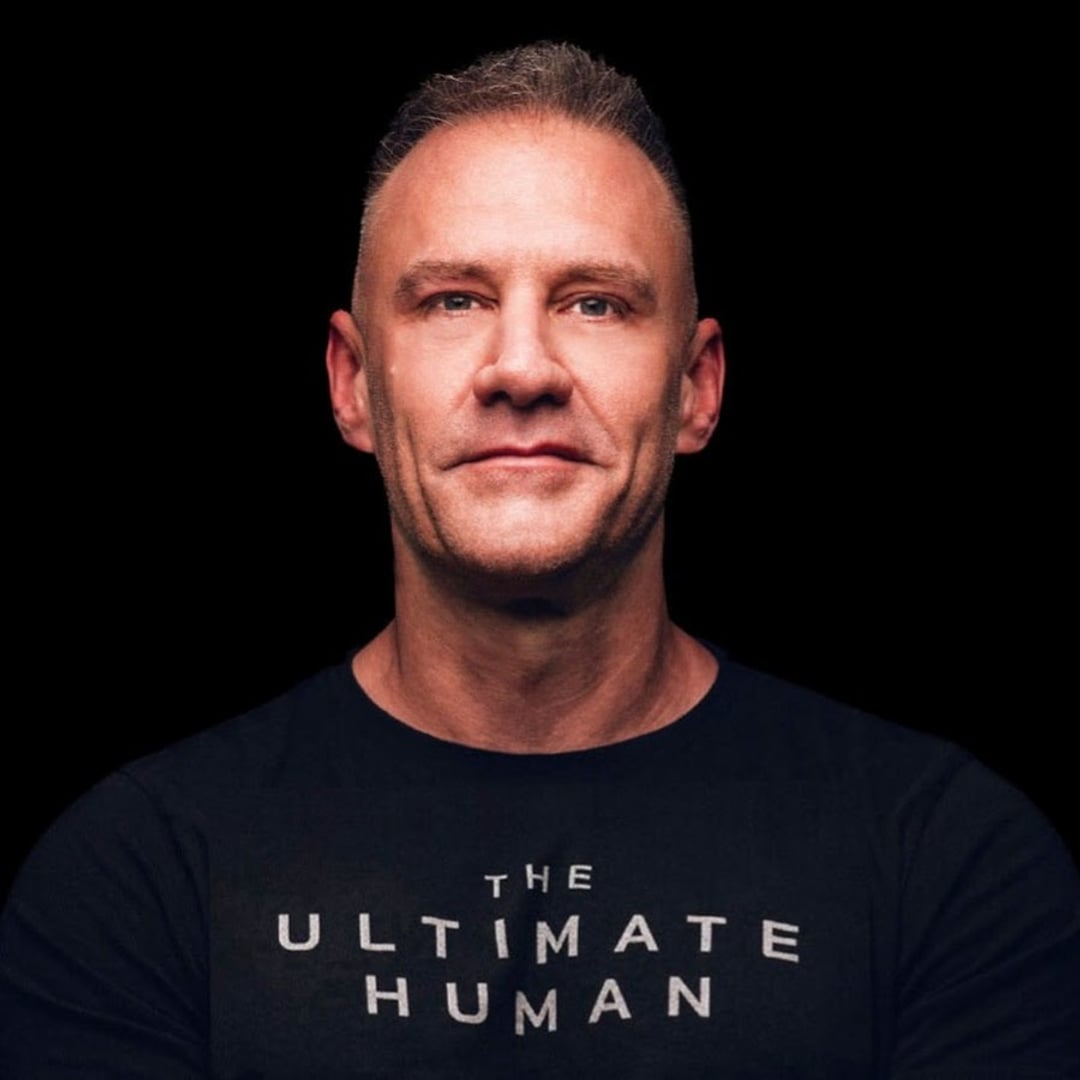
Gary Brecka
Watch on YouTube Add to chat My bookmarks← All sources

TL;DR

The four things you'd lose by not watching

4 items

TL;DR

The four things you'd lose by not watching

4 items
1

A 2021 study of 350 patients found alcohol accelerates photoaging, while exercise protects against it; alcohol's mechanism includes dehydration, inflammation, and collagen breakdown.

2

Exercise releases the myokine IL-15, which directly stimulates collagen synthesis in skin fibroblasts; a 2025 review showed 16 weeks of training thickens the dermis and makes skin biologically younger.

3

Refined sugar drives glycation, forming advanced glycation end products (AGEs) that make collagen brittle; combined with processed-food inflammation, it degrades skin structure via MMP enzymes.

4

The three no-cost steps to improve appearance: eliminate alcohol for 30 days, exercise daily (aerobic and resistance), and remove refined sugar and processed foods.

Protocols

Concrete recipes — what, when, how much, and why

3 items

30-Day Alcohol-Free Trial

WhatEliminate all alcohol consumption for 30 days.
WhenStart immediately; continue for 30 days.
Dose30 days
For whomAnyone looking to improve skin health and reduce photoaging.
WhyTo reverse alcohol-induced skin dehydration, inflammation, collagen breakdown, and antioxidant depletion, leading to visible improvement in skin appearance.

Brecka cites a 2021 study showing alcohol consumption accelerates photoaging. He explains that every drinking occasion damages skin, not just heavy drinking. A 30-day break can visibly improve skin texture, fine lines, and radiance by removing the multi-front assault. He personally guarantees visible results.

Mechanism

Alcohol is a diuretic that dehydrates skin cells, triggers systemic inflammation that degrades collagen and elastin, depletes antioxidants, and suppresses immune function. Abstaining allows the skin barrier to rehydrate, inflammation to subside, and repair processes to resume.

Try going 30 days alcohol-free. I'm promising you, the difference in your skin will be visible.

Also said
“It's a multi-front attack on everything that keeps your skin looking young, and it happens every time you drink, not just when you're drinking heavily.”— Reinforces the need for complete abstinence.

Daily Exercise for Skin Rejuvenation

WhatEngage in both aerobic and resistance training on a daily basis.
WhenEvery day, consistently.
DoseDaily; structural skin improvements observed after 16 weeks of training.
For whomEveryone, regardless of age or fitness level.
WhyExercise releases myokines (IL-15) that stimulate collagen synthesis in skin, reduces inflammation, increases IGF-1, and thickens the dermis, leading to biologically younger skin.

Brecka highlights that muscle is an endocrine organ, and the myokine IL-15 directly communicates with skin. Short-term exercise increases dermal collagen and mitochondrial DNA. A 2025 review on 'skin span' confirmed that 16 weeks of combined aerobic and resistance training improved extracellular matrix gene expression, increased elasticity, and thickened the dermis, making skin biologically younger. This is a cost-free structural anti-aging intervention.

Mechanism

Skeletal muscle secretes IL-15, which travels to dermal fibroblasts and activates mitochondrial biogenesis, boosting collagen production. Exercise also lowers pro-inflammatory cytokines and raises IGF-1, promoting tissue repair and reducing MMP-mediated collagen degradation.

Your muscles and your skin are in constant biological communication. And exercise is the signal that tells both of them to rebuild.

Also said
“IL-15 travels through your blood and reaches your dermis, where it directly stimulates collagen synthesis by activating mitochondrial biogenesis inside the fibroblasts of your skin.”— Specific pathway.
“The tissue was biologically younger after 16 weeks of training.”— Quantified outcome.

Eliminate Refined Sugar and Processed Foods

WhatRemove refined sugar and highly processed foods from the diet; focus on whole foods, adequate protein, vitamin C, and antioxidants.
WhenOngoing, as a permanent dietary change.
DoseLifelong; immediate reduction in glycation and inflammation upon adoption.
For whomAnyone seeking to slow skin aging and improve overall health.
WhyTo halt glycation-driven AGE formation that makes collagen brittle, and to reduce inflammation-induced MMP activity that degrades collagen, while providing building blocks for repair.

Brecka explains glycation and AGEs, citing a review from Journal of Oxidative Medicine and Cellular Longevity. He adds that processed-food inflammation activates MMPs, compounding damage. The protocol is simple: eat real food, cut refined sugar. This provides the raw materials (amino acids, vitamin C) for collagen synthesis and antioxidants to neutralize oxidative stress. It costs no extra money and directly addresses the internal drivers of skin aging.

Mechanism

Refined sugar causes non-enzymatic glycation of collagen and elastin, forming AGEs that cross-link and stiffen these proteins. Processed foods promote chronic inflammation, upregulating MMP enzymes that cleave collagen. Eliminating these foods stops the dual degradation and allows repair with amino acids, vitamin C, and antioxidants from whole foods.

These make your collagen brittle, discolored, and resistant to the repair while you sleep.

Also said
“The accumulation of AGEs in the dermis is a primary biological mechanism behind skin aging.”— Establishes the centrality of glycation.
“Focus on eating real food, removing processed food, because cutting refined sugar reduces glycation.”— Direct action step.

What's new

Personal practice updates, fresh positions, predictions

4 items

looksmaxxing-misguided-focus

The looksmaxxing community's obsession with bone structure (jaw width, midface projection) is misguided; the real determinants of appearance are collagen quality, inflammation, glycation, and skin biological age, all modifiable by daily habits.

Why this matters: Reframes a viral internet subculture's core belief, redirecting agency from unchangeable bone structure to actionable biological inputs.

Background

Looksmaxxing originated from fatalistic beliefs that genetics determine social outcomes, leading young men to extreme measures like bone smashing and mewing to alter bone structure.

Gary Brecka argues that while the desire for agency is valid, the target is wrong. He points to research showing that skin aging is driven by modifiable factors like alcohol, exercise, and diet, not bone structure. The three steps he proposes—cut alcohol, move daily, eat real food—are free and directly impact collagen, inflammation, and glycation. He emphasizes that the biology doesn't care about the popularity of alternative protocols; it responds to consistent inputs.

That's obsession pointed at the wrong target.

Also said
“It's not your bone structure, it's your collagen, your inflammation levels, your glycation rate, your skin's biological age.”— Directly states the alternative focus.
“The core premise that your appearance is a function of your daily biological inputs, not your genetics, is real.”— Affirms the underlying truth that the community misses.

alcohol-multi-front-skin-damage

Alcohol damages skin through dehydration, systemic inflammation, collagen/elastin breakdown, antioxidant depletion, and immune suppression, with every drink contributing to photoaging.

Why this matters: Provides a detailed biological mechanism beyond the common 'alcohol is bad for skin' advice, citing a specific 2021 study.

Background

Many view alcohol as a social relaxant without considering its cumulative skin effects.

Brecka details a 2021 Journal of Cosmetic Dermatology study of 350 patients that found alcohol consumption associated with greater photoaging, while exercise was protective. He then explains the multi-pronged mechanism: alcohol's diuretic effect dehydrates skin cells, compromising the moisture barrier and deepening fine lines. It triggers systemic inflammation that accelerates collagen and elastin breakdown, depletes antioxidants, and suppresses immune function. This assault occurs with every drinking occasion, not just heavy drinking. He recommends a 30-day alcohol-free trial to see visible skin improvement.

Alcohol is a diuretic. It pulls water out of your cells, including the cells in your skin, compromising the integrity of that moisture barrier.

Also said
“It's a multi-front attack on everything that keeps your skin looking young, and it happens every time you drink, not just when you're drinking heavily.”— Emphasizes the cumulative, dose-independent damage.
“Try going 30 days alcohol-free. I'm promising you, the difference in your skin will be visible.”— Actionable recommendation with a specific timeframe.

exercise-skin-myokine-connection

Exercise improves skin structure by releasing myokines like IL-15, which directly stimulate collagen synthesis in dermal fibroblasts, and long-term training thickens the dermis and increases elasticity.

Why this matters: Reveals a direct muscle-to-skin communication pathway that is not widely known, supported by a 2025 review on 'skin span'.

Background

Exercise is typically associated with cardiovascular and muscular benefits, not direct skin anti-aging.

Brecka explains that skeletal muscle acts as an endocrine organ, secreting myokines such as interleukin-15 (IL-15) into the bloodstream. IL-15 travels to the dermis and activates mitochondrial biogenesis in fibroblasts, boosting collagen production. He cites experiments showing short-term exercise increased dermal collagen content and mitochondrial DNA. A 2025 review on 'skin span' found that both aerobic and resistance training improved extracellular matrix gene expression, increased skin elasticity, and thickened the dermis after 16 weeks, making the tissue biologically younger. Exercise also reduces pro-inflammatory cytokines and raises IGF-1, further supporting skin repair. He emphasizes this is a structural improvement without cost.

Your muscles and your skin are in constant biological communication. And exercise is the signal that tells both of them to rebuild.

Also said
“IL-15 travels through your blood and reaches your dermis, where it directly stimulates collagen synthesis by activating mitochondrial biogenesis inside the fibroblasts of your skin.”— Specific molecular mechanism.
“The tissue was biologically younger after 16 weeks of training.”— Quantifies the anti-aging effect with a timeline.

glycation-ages-skin-aging

Refined sugar and processed carbs cause glycation, forming advanced glycation end products (AGEs) that make collagen brittle and discolored, while processed-food inflammation further degrades collagen via MMP enzymes.

Why this matters: Connects dietary sugar directly to a well-documented molecular aging pathway in skin, with a review from Journal of Oxidative Medicine and Cellular Longevity.

Background

Many people focus on topical skincare without addressing internal drivers of skin aging like glycation.

Brecka describes glycation as a non-enzymatic reaction where glucose binds to proteins like collagen and elastin, forming AGEs. These AGEs make collagen brittle, discolored, and resistant to repair. He cites a review confirming that dietary carbohydrates, especially from highly processed foods, drive skin aging via AGE accumulation. He then layers on the effect of chronic inflammation from processed foods, which activates matrix metalloproteinases (MMPs) that degrade collagen. Thus, two mechanisms—glycation and inflammation—simultaneously break down skin structure. The solution is to eliminate refined sugar and processed foods, and consume adequate protein, vitamin C, and antioxidants from whole foods to support repair.

These make your collagen brittle, discolored, and resistant to the repair while you sleep.

Also said
“The accumulation of AGEs in the dermis is a primary biological mechanism behind skin aging.”— Positions AGEs as a central driver.
“Inflammation activates enzymes called matrix metalloproteinases, MMPs. These actually degrade the same collagen that glycation is already attacking.”— Highlights the dual assault.
Disclosed sponsorships1speaker disclosed

Ultimate Human VIP Community and Course

Service Sponsored · disclosed

At the end of the episode, Brecka promotes his VIP community and 'Becoming the Ultimate Human' course as a deeper dive into the protocols discussed.

DisclosureSpeaker's own paid community and 10-month course.

The course is a 10-month program covering nutritional protocols, training frameworks, and biological inputs that determine appearance, metabolic function, hormone balance, and longevity. VIP members receive full access plus monthly live Q&A sessions with Brecka where they can ask specific questions. He positions it as the next step for those wanting to optimize beyond the free three-step protocol.

If you want to go deeper in optimizing every system in your body including your skin health, metabolic function, hormone balance, and longevity, I really want you to look into my VIP community and becoming the ultimate human course.

Also said
“It's a 10-month deep dive that covers the nutritional protocols, the training frameworks, and the biological inputs that determine how you look, how you feel, and how fast you age.”— Details the course content.
“VIP members get full access plus monthly live Q&As with me where you can bring me your specific questions and I'll answer them live.”— Highlights the interactive component.
Find Ultimate

Notable quotes

Lines worth pulling out — contrarian, specific, or perfectly phrased

6 items
That's obsession pointed at the wrong target.
Succinctly captures the core critique of the looksmaxxing community.
It's not your bone structure, it's your collagen, your inflammation levels, your glycation rate, your skin's biological age.
Directly reframes the determinants of appearance from fixed to modifiable factors.
Alcohol is a diuretic. It pulls water out of your cells, including the cells in your skin, compromising the integrity of that moisture barrier.
Vivid, mechanistic explanation of alcohol's immediate skin effect.
Your muscles and your skin are in constant biological communication. And exercise is the signal that tells both of them to rebuild.
Memorable, paradigm-shifting statement about the muscle-skin axis.
These make your collagen brittle, discolored, and resistant to the repair while you sleep.
Graphic description of AGEs' impact, making the abstract tangible.
You're not aging because of bad genetics. You're aging because of inputs. Change the inputs, you change the outcome.
Powerful closing that encapsulates the episode's thesis and empowers action.

Sign in to share feedback

Tell us if this brief hit the mark or missed it — feedback feeds back into the next iteration of the prompt.

Topics covered

looksmaxxingbone-smashingmewingphotoagingalcohol-skin-damageexercise-skin-benefitsmyokinesil-15glycationadvanced-glycation-end-productscollagen-degradationinflammationskin-agingdiet-and-skinskin-biological-age
Free account

Make this library yours

Reading is free for everyone. A free account adds the personal layer: save protocols, follow experts, and see how the other experts weigh in on this same topic.

Create a free accountSign in

Where the experts disagree — weekly

One email a week: the sharpest new disagreements and protocols from the library. No spam, unsubscribe anytime.

Educational summary of the cited expert source — not medical advice. Open the source recording linked above and consult a qualified physician before acting on any protocol.