UNFUCG
DashboardSearchChatBookmarksNotificationsActivityPremiumProfile
?
Home
Search
Chat
Saved
Profile
Episode
3 Things That Truly Move the Needle for Skin Anti-Aging
~72 min
Episode Brief·YouTube

3 Things That Truly Move the Needle for Skin Anti-Aging

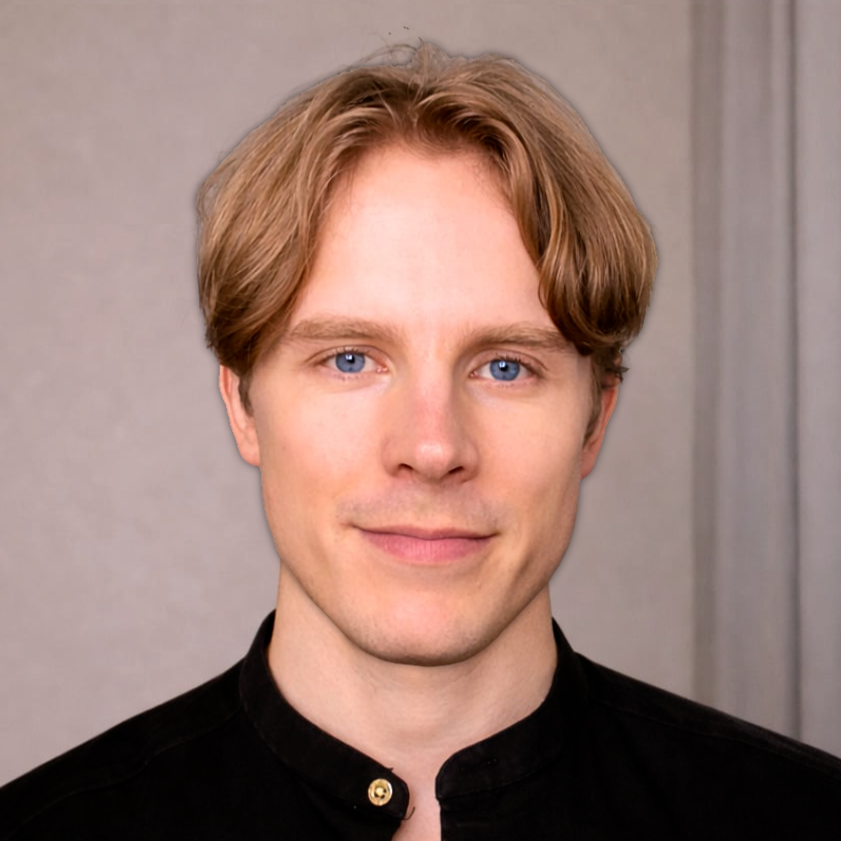
Siim Land
Watch on YouTube Add to chat My bookmarks← All sources

TL;DR

The four things you'd lose by not watching

4 items

TL;DR

The four things you'd lose by not watching

4 items
1

The three non-negotiable pillars of skin anti-aging: daily broad-spectrum SPF 50+ sunscreen, a retinoid (preferably tretinoin) at night, and barrier support with a gentle cleanser and moisturizer. Antioxidant serums are optional.

2

Facial aging is a multi-layered process involving bone density loss, deep fat pad atrophy, muscle and ligament laxity, not just wrinkles. Systemic factors like chronic stress, insulin resistance, weight fluctuations, and bruxism accelerate structural collapse.

3

For sun protection, choose non-nano zinc oxide or modern European/Asian chemical filters (bemotrizinol, Tinosorb S/M, etc.) over older US filters like oxybenzone and avobenzone, which are endocrine disruptors. Avoid titanium dioxide in nano form.

4

If money were unlimited, Alexis would dramatically increase diagnostic frequency (monthly bloodwork, frequent epigenetic/aging clocks, whole-body MRI every 2 years) and explore experimental therapies: therapeutic plasma exchange, Muse stem cell therapy, and gene therapies (klotho, ApoA1 Milano). His current personal anti-aging stack includes rapamycin, spermidine, peptides, IV quercetin/dasatinib, and IV/subQ NAD.

Protocols

Concrete recipes — what, when, how much, and why

9 items

Triple-Pillar Skin Anti-Aging Routine

WhatApply a broad-spectrum SPF 50+ sunscreen every morning, use a retinoid (preferably tretinoin) at night, and maintain the skin barrier with a gentle low-pH cleanser and a moisturizer containing ceramides, niacinamide, or panthenol. An antioxidant serum (vitamin C or astaxanthin) is optional.
WhenDaily. Sunscreen in the morning, reapply every 2 hours if exposed. Retinoid at night. Cleanse and moisturize as needed.
DoseSunscreen: SPF 50+, broad-spectrum, reapply frequently. Retinoid: start with the lowest possible concentration (e.g., 0.015% for dry skin) and build tolerance over 4–6 weeks. Moisturizer: can be combined with sunscreen in one product.
For whomEveryone, with adjustments for skin type (sensitive/dry skin: ultra-low tretinoin; oily skin: may tolerate higher).
WhySunscreen is the single highest return on investment, preventing collagen breakdown, pigmentation, and skin cancer. Retinoid is the most evidence-based topical for improving skin quality. Barrier support prevents irritation and dryness, enabling long-term adherence.
CaveatsRetinoid can cause irritation; start low and go slow. Avoid if uncontrolled atopic dermatitis. No sunscreen blocks 100% of UV; use physical barriers at high UV index. Sunscreen must be reapplied.

Alexis argues that the skincare industry overcomplicates routines, and that the vast majority of skin aging is driven by UV damage. He asserts that no peptide, vitamin C serum, or trendy moisturizer can compensate for sun exposure. The retinoid is the active repair agent, and he prefers tretinoin because it's the most studied and 10–100x stronger than over-the-counter retinols, but he insists on customized dosing to avoid the irritation that causes many to quit. The barrier support is often overlooked; he recommends a simple, non-irritating cleanser (like an intimate gel) and a moisturizer that can double as sunscreen. This three-product regimen strips away the noise and delivers the highest return on investment. He emphasizes that consistency with these basics is far more important than chasing novel ingredients.

Mechanism

UV radiation causes DNA damage, collagen degradation, and oxidative stress. Sunscreen blocks UVA/UVB. Retinoids bind to retinoic acid receptors in the nucleus, promoting collagen synthesis, epidermal turnover, and reducing matrix metalloproteinases. Barrier support maintains stratum corneum integrity, preventing transepidermal water loss and irritation that can exacerbate photoaging.

Personal experience

He uses a compounded tretinoin at low concentration and an intimate gel cleanser. He crossed the Sahara desert using only non-nano zinc oxide sunscreen and did not burn.

daily broadspectctrum sunscreen SPF 50 or higher... is going to give you the the highest uh return on investment in terms of skinincare

Also said
“number two would be a retinoid at night which is the most evidence-based intervention to support skin quality”— specifies the second pillar
“number three would be barrier support. So a gentle low pH cleanser... and then a moisturizer which can have ceramides, niainamide, panthanol”— completes the triad

Layered Sun Protection Protocol

WhatUse daily sunscreen, plus physical barriers (hat, long sleeves) when UV index ≥3, and avoid midday sun exposure. Reapply sunscreen every 2 hours.
WhenDaily; during peak sun hours (10am–4pm) use extra protection; limit direct sun to morning before 10am and evening after 6pm.
DoseSunscreen: SPF 50+, reapply every 2 hours. Physical barriers: wide-brim hat, long sleeves of natural fiber like white linen. Avoid prolonged exposure when UV index is 4–6.
For whomEveryone, especially those in sunny climates or with photoaging concerns.
WhySunscreen alone is not 100% protective; physical barriers add defense. UV intensity peaks at midday, so timing reduces cumulative damage.
CaveatsNo sunscreen blocks all UV and infrared; don't rely solely on sunscreen for prolonged exposure. Reapplication is crucial but often neglected.

Alexis notes that even with sunscreen, some UV and infrared rays penetrate, and the cumulative effect over decades is what matters. He cites his Mediterranean environment where he avoids sun from 10am to 6pm, instead getting morning and late afternoon light. He also recounts crossing the Sahara with non-nano zinc oxide, but still used protective clothing. This protocol is about common sense, not sun phobia. He encourages mimicking grandparents' habits: avoiding midday sun, using shade, and wearing protective garments. He also clarifies that you can get safe sunlight exposure in the early morning and late evening even with SPF on.

Mechanism

Physical barriers reflect/absorb UV; timing reduces UVB intensity, which is highest at solar noon. Cumulative, low-grade exposure drives photoaging and skin cancer risk.

Personal experience

He crossed the Sahara with zinc oxide and didn't burn, but he also wore protective clothing and timed his exposure.

use common sense. Use what do do what our grandparents used to do, which is avoid uh exposure in the in the middle hours of the day.

Also said
“if UV index is three or higher then take extra protective measures such as the ones I mentioned before like wearing a hat, wearing long sleeves or staying in the shade”— quantifies the UV index threshold for extra measures

Facial Massage and Exercise Routine

WhatPerform self-massage on jaw muscles and neck (platysma insertion) to relieve tension, and practice facial exercises to strengthen lifting muscles (zygomaticus, smile muscles) while relaxing depressive muscles (platysma).
WhenDaily, when possible; especially after prolonged computer work or stress.
DoseA few minutes of massage; consistent facial exercises (frequency not specified).
For whomAnyone with tension, bruxism, or noticeable asymmetry; those looking for a non-invasive complement to aesthetic treatments.
WhyChronic muscle tension and asymmetry from one-sided chewing or stress lead to a 'sad face' appearance and worsen facial aging. Balanced muscle tone supports facial architecture.
CaveatsFacial exercises require high consistency to see results; avoid overdoing; severe asymmetry may require botulinum toxin.

Alexis explains that facial muscles have lifting and depressive roles. The platysma, a depressive muscle, tends to overcontract with age and stress, pulling the face downward, while lifting muscles like the zygomaticus are underused. He believes facial gymnastics can counteract this, though he admits it takes regular practice. For immediate relief, massaging the masseter and platysma insertion can reduce tension and prevent the gradual development of a down-turned expression. He also notes that everyone has natural asymmetry, but conscious effort to contract the weaker side can help. This is a low-cost, non-invasive approach, but it's not a substitute for medical treatments like fillers or lasers if structural changes are advanced.

Mechanism

Massage improves blood flow, reduces muscle hypertonicity, and may prevent chronic shortening of depressive muscles. Facial exercises may strengthen zygomatic muscles, providing a subtle lift by counteracting the downward pull.

Personal experience

He tries to incorporate facial gymnastics into his daily routine and massages his jaw when tense from computer work.

I am a believer in in facial gymnastics as well and I try to um incorporate it in my daily routine when I can.

Also said
“you can perform yourself a massage on the on the mass muscles and you'll feel immediate relief.”— practical self-care tip for tension
“train your face to move appropriately to try to loosen the the muscles that play um a a more depressive role”— rationale for exercises

Rapamycin-Spermidine Seasonal Cycling

WhatTake rapamycin as a regular mTOR inhibitor, but switch to subcutaneous spermidine during flu season to maintain autophagy without immune suppression.
WhenRapamycin off-season; spermidine during flu season (subcutaneous).
DoseDoses not specified; rapamycin frequency not given; spermidine subcutaneous likely daily or as needed.
For whomThe speaker (anecdotal); those using rapamycin for longevity who are concerned about immune compromise.
WhySpermidine induces autophagy via a milder pathway, avoiding the immunosuppressive effects of rapamycin, reducing infection risk during high-exposure months.
CaveatsRapamycin is not approved for aging; this is experimental self-experimentation. Spermidine safety not fully established. No human lifespan data for either.

He uses rapamycin for its well-known autophagy induction and potential longevity benefits, but acknowledges that chronic mTOR inhibition can impair immune function, making him vulnerable to seasonal infections. His solution is to temporarily replace rapamycin with spermidine, a polyamine that also promotes autophagy through a different mechanism (inhibition of EP300 acetyltransferase). He feels this is a safer way to maintain cellular cleanup during high-risk periods. This is a nuanced personal protocol, not a general recommendation. He emphasizes that he doesn't want to suppress his immune system when flu and colds are circulating.

Mechanism

Rapamycin inhibits mTORC1, blocking anabolic signals and inducing autophagy. Spermidine inhibits acetyltransferase EP300, leading to autophagy via histone acetylation. The immune system requires mTOR activity for T cell function, so rapamycin can suppress it, while spermidine is less immunosuppressive.

Personal experience

He personally implements this cycling protocol.

I'm taking uh subcutaneous spermodine during the flu season as a replacement for rapamy to to tackle the autophagy um issue in a milder way that does not uh repress my immune system.

NAD Level Maintenance Protocol

WhatAdminister IV NAD and subcutaneous NAD, monitor blood NAD levels every 6 months, and adjust dosage to maintain youthful levels.
WhenRegularly; frequency not specified, but likely periodic IV infusions and ongoing subQ injections.
DoseNot specified; personal dose based on monitoring.
For whomSpeaker (anecdotal); those with access to NAD testing and therapy and who are comfortable with the risk/reward.
WhyHe prefers to keep NAD levels high because NAD declines with age and is crucial for mitochondrial function, even though evidence for anti-aging is lacking.
CaveatsNo proven lifespan extension; expensive; IV requires medical supervision; may be unnecessary if NAD levels are already normal.

Alexis is upfront that there is no robust data proving that exogenous NAD supplementation slows aging. However, he reasons that NAD declines with age and is critical for sirtuin activation, DNA repair, and energy metabolism. He monitors his own levels and uses both IV and subcutaneous routes to maintain them in a youthful range. He sees it as a risk-benefit decision based on mechanistic plausibility, not confirmed efficacy. This is part of his broader philosophy of being 'comfortable with some risk' when the safety profile is acceptable and the potential upside is high.

Mechanism

NAD+ is a coenzyme for redox reactions, sirtuins, and PARPs. Declining NAD+ is linked to mitochondrial dysfunction and epigenetic changes. Supplementation may replenish cellular pools, supporting metabolism and repair.

Personal experience

He injects himself with subcutaneous NAD and does IV NAD; he checks levels and adjusts dosage.

even if there's no data to support that supplementing or keeping youthful levels of NAD, it's going to be helpful at all to slow down aging. I prefer youthful NAD levels rather than low energy levels.

Also said
“I do IV, NAD, subcutaneous NAD apart from the from supplements”— confirms both routes

Quercetin + Dasatinib Senolytic Protocol

WhatAdminister IV quercetin every 3 months, and take oral dasatinib 100 mg daily for 3 consecutive days following each quercetin infusion.
WhenEvery 3 months.
DoseIV quercetin (dose not specified) + dasatinib 100 mg/day for 3 days.
For whomSpeaker (anecdotal); under medical supervision.
WhySenolytic combination to clear senescent cells, reducing the inflammatory burden (SASP) and potentially slowing aging.
CaveatsDasatinib is a chemotherapy drug with side effects; off-label use; requires monitoring; no human longevity data.

He combines the flavonoid quercetin intravenously with a short course of dasatinib, a tyrosine kinase inhibitor known to induce apoptosis in senescent cells. This is based on the 'hit-and-run' senolytic approach: a brief exposure to eliminate senescent cells, then a recovery period. He does this every 3 months, suggesting it's a recurring cycle. He acknowledges the experimental nature and the lack of human lifespan evidence, but he's comfortable because the combination has shown promise in animal studies and early human trials for reducing senescence markers. He monitors his health closely.

Mechanism

Dasatinib inhibits Src kinases, promoting apoptosis in senescent fat progenitor cells; quercetin targets senescent endothelial cells. Together they clear a broader range of senescent cells, reducing the senescence-associated secretory phenotype (SASP) and systemic inflammation.

Personal experience

He injects himself with quercetin IV and takes dasatinib.

I'm injecting myself every three months or so with queretin IV queretin and parallel to that take um 100 mg of datinip for 3 days three consecutive days following the queretine administration.

IV Exosome Epigenetic Rejuvenation Protocol

WhatReceive intravenous Muse stem cell-derived exosomes periodically, monitoring epigenetic age and health parameters.
WhenPeriodic; frequency not specified, but likely every few months.
DoseIV exosomes (dose not specified).
For whomSpeaker (anecdotal); not recommended for general public.
WhyIn his personal case, it reduced epigenetic age by 4.5 years; appears safe in his experience, with no negative effects.
CaveatsExperimental, no placebo-controlled trials; long-term effects unknown; requires careful monitoring; source quality matters.

He uses exosomes derived from Muse stem cells, which are multi-lineage undifferentiated stress-enduring mesenchymal stem cells from umbilical cord. These exosomes are thought to carry regenerative signals and modulate immune senescence. He saw a measurable drop in GrimAge after treatments, but he stresses it's an N=1 and not a recommendation. He continues because he's seen no adverse effects and his biomarkers remain stable. He considers this a promising area, but one that demands rigorous tracking. He is planning to continue and gather more data on himself.

Mechanism

Exosomes deliver microRNAs, proteins, and lipids that can reprogram recipient cells, reduce inflammation, and promote tissue repair. Muse cell-derived exosomes may be particularly potent at reversing stem cell exhaustion and immune senescence.

Personal experience

He personally does IV exosomes and tracks his epigenetic age.

I'm also uh uh doing intravenous exoomes um because it has proven in my case which is an N1 study and by no means it means it works for everyone. It has proven in my case to reduce my epigenetic age by around 4.5 years

Also said
“I've seen no negative consequences of doing it”— safety from his perspective

Russian Peptide Regimen

WhatTake a rotating selection of peptides, primarily Russian bioregulators like epitalon, thymalin, pinealon, and others depending on body composition goals.
WhenCyclically; specifics not given.
DoseNot specified.
For whomSpeaker (anecdotal); cautious use for those with specific goals and under supervision.
WhyPeptides are endogenous signaling molecules that may support tissue-specific regeneration; Russian peptides have a history of use in geroprotection.
CaveatsMost lack human evidence; can be abused; safety not guaranteed; he tries to be conservative.

He uses peptides that are part of the Russian bioregulator tradition, such as epitalon (pineal peptide), thymalin (thymus), and pinealon (brain). He also uses others like epitalon for body composition goals. He emphasizes that peptides are not drugs and have been present in the body for millions of years, but overuse can cause issues. He monitors his biomarkers and adjusts. He doesn't recommend them to everyone, only if there's a specific need and under medical supervision. He shares his protocols on Instagram but stresses the experimental nature.

Mechanism

Peptides act as signaling molecules that may restore function of specific organs (e.g., epitalon for pineal melatonin regulation, thymalin for immune function). They are thought to interact with DNA and regulate gene expression.

Personal experience

He takes them and posts about them on Instagram.

I'm also on peptides. I'm also on mostly Russian peptides, but it depends such as epitoon, timolene, pinealon.

Also said
“most of them lack human evidence”— honesty about evidence

Longevity Diagnostics Protocol (Baseline vs Unlimited)

WhatAt minimum, do comprehensive bloodwork (100+ biomarkers) and measure epigenetic age (GrimAge), telomeres, VO2 max, and body composition every 3 months. If unlimited, escalate to monthly bloodwork, glycation clocks, whole-body MRI every 2 years, ultrasounds every 6 months.
WhenBaseline: every 3 months; unlimited: monthly for bloodwork, plus periodic imaging and clocks.
DoseFrequency as above.
For whomThose with resources; baseline quarterly testing is achievable for serious longevity enthusiasts.
WhyTo precisely track aging and intervene early by catching subtle biomarker shifts.
CaveatsExpensive; no guarantee that more frequent data improves outcomes; epigenetic clocks have limitations and can fluctuate; imaging carries radiation/cost.

He highlights that diagnostics are the most expensive part of longevity protocols. He currently checks bloodwork, epigenetic age, telomeres, VO2 max, and body composition quarterly. He argues that more frequent monitoring could detect subtle changes earlier, allowing for quicker adjustments. He also mentions adding glycation clocks and more frequent imaging (MRI) to catch structural issues before they become clinical. He points to Brian Johnson's protocol as an example of extreme diagnostics. He believes this is where the money would go, not just therapies. He also emphasizes that standard biomarkers like blood pressure, ApoB, HbA1c, and CRP remain the most predictive for long-term health.

Mechanism

Biomarkers like blood pressure, ApoB, HbA1c, and CRP reflect different aging processes. Frequent measurement reduces noise and captures trends. Epigenetic clocks estimate biological age based on DNA methylation patterns.

Personal experience

He currently does quarterly testing and would increase to monthly if he could afford it.

So instead of doing it every three months, I would probably do it every month to monitor any small change in my biomarkers.

Also said
“I would also increase the the uh number of tests I do per year on epigenetic age, telmir, V2 max, and body composition”— specific tests he would scale

What's new

Personal practice updates, fresh positions, predictions

5 items

personalized-low-dose-tretinoin-compounding

Alexis compounds tretinoin at ultra-low concentrations (starting at 0.015% for dry skin) to build tolerance gradually, avoiding the irritation that makes many quit standard tretinoin.

Why this matters: Offers a practical method to make the most powerful anti-aging topical accessible to sensitive skin types, moving beyond one-size-fits-all commercial formulations.

Background

Tretinoin is the gold standard retinoid, but its irritation leads to high dropout rates. Standard concentrations (0.025%, 0.05%, 0.1%) are often too strong for sensitive or dry skin.

He explains that many patients can't tolerate commercial tretinoin due to irritation, especially those with atopic dermatitis or dry skin. By compounding, he can create micro-steps (e.g., 0.03%) and tailor the concentration to the individual. It takes 4-6 weeks for the skin to develop retinoic acid receptors and acclimate. This approach allows even those with reactive skin to eventually benefit from tretinoin's collagen-stimulating effects. He emphasizes that this must be done under medical supervision.

Personal experience

He compounds tretinoin at his clinic and uses it himself.

I compound um retinoic acid. So um I have more freedom um of choice uh when it comes to concentration than the than the already marketed forms which are 0.25.05 and 0.1 I can choose like 0.03 or or like small steps in between

Also said
“start low with a with a low concentration with the lowest possible depending on your skin type. If your skin is dry the lowest possible would be 0.015”— quantifies the starting dose for dry skin

off-season-spermidine-replacement-for-rapamycin

During flu season, he replaces rapamycin with subcutaneous spermidine to maintain autophagy without the immunosuppressive effects of mTOR inhibition.

Why this matters: A practical, risk-mitigation strategy for those using rapamycin for longevity, acknowledging the drug's immune trade-off.

Background

Rapamycin is a potent mTOR inhibitor that induces autophagy but can impair immunity. Spermidine is a polyamine that also promotes autophagy via a different pathway.

He uses rapamycin regularly for its potential longevity benefits, but is aware that chronic mTOR inhibition can increase infection risk. During flu season, he switches to spermidine, which he believes provides a milder autophagy boost without suppressing the immune system. This seasonal cycling is a personal adjustment based on his understanding of the mechanisms. He does not specify doses, but the concept is to temporarily avoid immune compromise when respiratory viruses are circulating.

Personal experience

He personally implements this cycling protocol.

I'm taking uh subcutaneous spermodine during the flu season as a replacement for rapamy to to tackle the autophagy um issue in a milder way that does not uh repress my immune system.

intimate-gel-as-facial-cleanser

He recommends using a pH-balanced, soap-free intimate gel as a face cleanser, especially for those on retinoids, because it's exceptionally gentle and non-irritating.

Why this matters: An unconventional product choice that challenges the need for expensive facial cleansers and reduces barrier disruption.

Background

Most facial cleansers are too alkaline or contain harsh surfactants that strip the skin. People on retinoids are particularly prone to irritation.

He advises against natural soaps and alkaline cleansers, and instead favors products with lactic acid or citric acid, like those intended for baby skin. The intimate gel is designed for sensitive mucosa, making it ideal for the face. He has used this recommendation in his clinic for years (first mentioned in a previous podcast) and finds it works well alongside retinoids without causing dryness or stinging. It couples well with the need for a gentle, low-pH cleanse.

Personal experience

He recommends it to his patients and presumably uses it himself.

I recommend my patients usually an intimate gel for the face cuz it works wonders for all skin types and it's not irritating at all and it couples well with the with the retinoid.

iv-exosomes-reduce-epigenetic-age

In his personal N=1 experience, intravenous Muse stem cell-derived exosomes reduced his epigenetic age (GrimAge) by ~4.5 years, with no negative effects so far.

Why this matters: A rare, data-backed personal anecdote from a clinician using an experimental therapy that is gaining hype but lacks human trials.

Background

Exosomes are extracellular vesicles that carry regenerative signals. Muse stem cell-derived exosomes are thought to have immunomodulatory and anti-aging properties, but evidence is limited to case reports and animal studies.

He stresses that this is an N=1 self-experiment, not a recommendation. He monitors his health parameters closely and has seen no adverse effects. The exosomes are derived from Muse cells, which are multi-lineage undifferentiated stress-enduring mesenchymal stem cells from umbilical cord, believed to be safer than other stem cell types. He continues the therapy because the epigenetic age reduction was significant and his biomarkers remain stable. He views this as a promising area but urges caution and rigorous monitoring.

Personal experience

He personally does IV exosomes and tracks his epigenetic age.

I'm also uh uh doing intravenous exoomes um because it has proven in my case which is an N1 study and by no means it means it works for everyone. It has proven in my case to reduce my epigenetic age by around 4.5 years

Also said
“I've seen no negative consequences of doing it”— safety from his perspective

unlimited-money-diagnostic-escalation

If cost were no object, he would increase bloodwork to monthly (100+ biomarkers), add glycation clocks, and do whole-body MRI every 2 years instead of every 5, to catch subtle changes early.

Why this matters: Highlights the extreme cost of precision longevity monitoring and the marginal benefit of high-frequency testing, using Brian Johnson's protocol as a reference point.

Background

He currently does comprehensive bloodwork and aging clocks every 3 months. Diagnostics are the most expensive part of a longevity protocol.

He notes that the bulk of Brian Johnson's $2 million annual spending is on diagnostics, not therapies. He believes more frequent testing could detect subtle biomarker shifts earlier, allowing for quicker adjustments. He would also add glycation clocks and more frequent imaging (ultrasound every 6 months, MRI every 2 years) to catch structural issues before symptoms appear. This is a theoretical wishlist, not a recommendation for the average person, but it reflects his belief that data granularity is key to anti-aging.

Personal experience

He currently does quarterly testing and would increase frequency if he could afford it.

So instead of doing it every three months, I would probably do it every month to monitor any small change in my biomarkers.

Also said
“I would also increase the the uh number of tests I do per year on epigenetic age, telmir, V2 max, and body composition”— specific tests he'd scale

Recommendations

Products, supplements, and tools mentioned in the episode

5 items

Non-nano Zinc Oxide Sunscreen

Product

Best mineral sunscreen; broad-spectrum UVA/UVB; water-resistant; does not absorb into skin; chalky texture. He used it successfully crossing the Sahara.

He strongly recommends zinc oxide over titanium dioxide because titanium dioxide is weak against UVA and is often micronized (nano), which can be absorbed and generate free radicals inside the skin, plus it's an environmental toxin. Non-nano zinc oxide is safe and effective, albeit cosmetically inelegant. He emphasizes that mineral doesn't mean automatically good; the form matters. It's ideal for sports, sea, or intense sun exposure.

vs alternatives

Superior to titanium dioxide (UVA weak, nano risks) and older chemical filters (endocrine disruptors).

Personal experience

He crossed the Sahara desert wearing a non-nano zinc oxide sunscreen and did not get a single burn, returning as pale as before.

the best one is zinc oxide in the nonnano version obviously the one that's not been manipulated... it provides broadspectctrum UV protection against UVA and UVB.

Also said
“I've crossed the the Sahara desert wearing a non- nano zinc oxide and I did not get a single burn”— personal testament of effectiveness
Find Non-nano

European/Asian New-Generation Chemical Sunscreens (Bemotrizinol, Tinosorb S/M, Bisoctrizole, Uvinul A+, Uvinul T150, Ethylhexyl Triazone, Mexoryl)

Product

Safe, photostable, low absorption (<2%), comfortable to wear. Found in Korean and European brands. Avoid US sunscreens with oxybenzone, avobenzone, octocrylene.

He lists specific filters that are not yet FDA-approved but widely used elsewhere. They are less allergenic and not endocrine disruptors. He recommends looking for these in Korean cosmetics, which are ahead in formulation. He cautions that even new filters are not 100% proven safe in the long term, but low absorption makes them much safer. He also notes that the FDA is reviewing these filters and they may become available in the US soon.

vs alternatives

Avoid oxybenzone, avobenzone, octocrylene (allergenic, endocrine disruptors).

These all tend to be strong, reliable, photostable... comfortable to wear... absorption through the skin is very low.

Also said
“most of the Asian brands are way ahead and have been doing so for the past decade”— where to find them
Find European/Asian

Intimate Gel (Low pH, Soap-Free) as Face Cleanser

Product

A pH-balanced intimate hygiene gel serves as a perfect non-irritating facial cleanser, especially for those on retinoids. It's gentle, non-drying, and works for all skin types.

He advises against natural soaps and alkaline cleansers, and instead recommends products with lactic acid or citric acid meant for baby skin. The intimate gel is his unconventional but effective choice because it's designed for sensitive mucosa, thus very mild. He's recommended this to patients for years and it couples well with tretinoin, preventing the dryness and irritation that often lead people to quit their retinoid.

vs alternatives

Better than alkaline soaps, harsh scrubs, and many expensive facial cleansers.

Personal experience

He recommends it to his patients and uses it in his own routine.

I recommend my patients usually an intimate gel for the face cuz it works wonders for all skin types and it's not irritating at all and it couples well with the with the retinoid.

Find Intimate

Topical Antioxidant Serum (Vitamin C or Astaxanthin)

Product

Optional fourth step; astaxanthin is 60-6000x more potent as a free radical scavenger than vitamin C in vitro, and is fat-soluble for better absorption. Vitamin C is classic and well-studied. Choose one.

He says the evidence for topical antioxidants is weaker than for sunscreen and retinoids, but they can complement the routine. Astaxanthin is interesting because of its superior antioxidant capacity, but human studies are limited. He suggests choosing one, not both, to keep the routine minimal. He does not consider them essential, unlike the first three pillars. Peptides like GHK-Cu are even weaker in evidence.

vs alternatives

Astaxanthin may be more potent than vitamin C, but less studied; peptides like GHK-Cu are weaker in evidence.

aazantin which uh have shown in in vitro research to to have um a stronger antioxidant potential 60 to 6,000 times stronger as a free radical scavenger than vitamin C and it's soluble in fat so it that makes it well absorbed through the skin.

Also said
“I would deem that not not essential in general”— honest prioritization
Find Topical

Rejuvenation Roadmap (lifespan.io)

Tool

A free online tool that tracks the latest breakthroughs against each aging hallmark, showing whether they are in animal studies, human trials, etc. He checks it regularly.

He recommends it as a resource for staying updated on anti-aging science. It helps him see where therapies are in the pipeline and how close they are to human application. He emphasizes he has no financial relationship with them.

Personal experience

He uses it to stay informed.

I think which is going to be helpful... is the rejuvenation road map from lifespan.io IO which uh shows you the latest breakthroughs on each of the aging hallmarks

Find Rejuvenation
Disclosed sponsorships2speaker disclosed

Compounded Tretinoin (Retinoic Acid) Ultra-Low Concentrations

Product Sponsored · disclosed

Start with as low as 0.015% for dry skin, gradually increasing. Requires medical supervision. This allows tolerance building and reduces irritation.

DisclosureHe compounds this at his clinic, Ad Astra Clinic, offering customized concentrations.

He explains that standard tretinoin concentrations (0.025%, 0.05%, 0.1%) are too strong for many, causing them to quit. By compounding, he can make micro-adjustments (e.g., 0.03%) and tailor to skin type. He has patients with atopic dermatitis who tolerate it well with this slow approach. It takes 4-6 weeks to develop receptors. This service is part of his clinic's personalized skincare and is a way to make the most powerful topical anti-aging agent accessible to sensitive skin.

vs alternatives

More flexible and better tolerated than commercial pre-formulated tretinoin creams.

Personal experience

He uses it himself and prescribes it to patients.

I compound um retinoic acid. So um I have more freedom um of choice uh when it comes to concentration than the than the already marketed forms which are 0.25.05 and 0.1 I can choose like 0.03 or or like small steps in between

Also said
“start low with a with a low concentration with the lowest possible depending on your skin type. If your skin is dry the lowest possible would be 0.015”— specific starting dose
Find Compounded

Ad Astra Clinic (athra clinic)

Service Sponsored · disclosed

Provides personalized skincare, peptide therapies, IV treatments, diagnostics, and medical supervision. Website: adastraclinic.com.

DisclosureHe is the founder/physician at this clinic, offering aesthetic medicine, regenerative therapies, and longevity protocols.

He references his clinic throughout the podcast as the place where he and his team simplify patients' routines, compound tretinoin, and offer longevity consultations. It is based in Spain (Mediterranean). He invites listeners to visit the website to see services in aesthetic medicine, regenerative therapies, and longevity.

they can find me on on Instagram and on the at astro clinic website at astra adastra clinic.com

Find Ad

Notable quotes

Lines worth pulling out — contrarian, specific, or perfectly phrased

6 items
The minimum effective dose is three maximum four products and number one number one this is mandatory essential for everybody daily broadspectctrum sunscreen SPF 50 or higher
Cuts through the noise of multi-step routines and establishes an unapologetic hierarchy.
You can be using three or four peptides for your skin. You can be using a vitamin C serum. You can be using beef tallow or any popular moisturizers nowadays. And you can be using a retinoid. But it's it's not going to be enough. It's not going to compensate the the damage caused by by sunlight.
Emphasizes that no product can undo sun damage, making sunscreen the true non-negotiable.
Natural does not always mean evidence-based and natural does not necessarily mean safe.
A concise rebuttal to the natural-is-better fallacy in skincare, directly challenging viral trends.
Beef tallow is basically an occlusive fat. So does not let the skin persspire. It obstructs the pores. ... My concerns with beef tallow are that it may get rancid or contaminated by bacteria
A specific, mechanistic critique of a viral product, highlighting risks of rancidity and bacterial contamination.
Even if there's no data to support that supplementing or keeping youthful levels of NAD, it's going to be helpful at all to slow down aging. I prefer youthful NAD levels rather than low energy levels.
Honest admission of the evidence gap while still choosing to use it, illustrating his personal risk-benefit calculus.
I'm comfortable by taking some degree of risk trying some degree at to certain extent unapproved and experimental therapies on myself and as long so long as the preliminary evidence for safety is strong
Defines his philosophy on self-experimentation, framing the boundary of his risk tolerance.

Sign in to share feedback

Tell us if this brief hit the mark or missed it — feedback feeds back into the next iteration of the prompt.

Topics covered

skin-agingfacial-aging-layerssunscreen-ingredientsretinoidsskincare-routinenatural-remediesanti-aging-therapieslongevity-biomarkersepigenetic-clockspeptidesnadexosomesgene-therapyplasma-exchangestem-cell-therapyfacial-exerciseshormonesgrowth-hormonesunscreen-safetyuv-index
Free account

Make this library yours

Reading is free for everyone. A free account adds the personal layer: save protocols, follow experts, and see how the other experts weigh in on this same topic.

Create a free accountSign in

Where the experts disagree — weekly

One email a week: the sharpest new disagreements and protocols from the library. No spam, unsubscribe anytime.

Educational summary of the cited expert source — not medical advice. Open the source recording linked above and consult a qualified physician before acting on any protocol.