UNFUCG
DashboardSearchChatBookmarksNotificationsActivityPremiumProfile
?
Home
Search
Chat
Saved
Profile
Episode
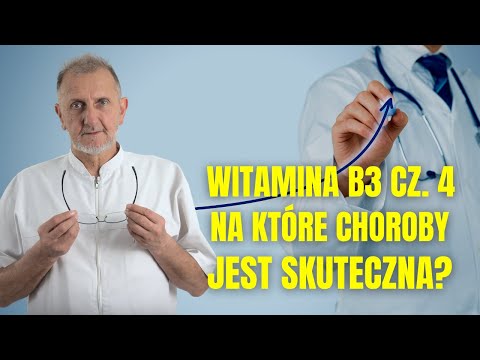
Hubert Czerniak - NIACYNA cz. 4 z 4 / Na jakie schorzenia brać witaminę B3? Sprawdź jej skuteczność!
~15 min
Brief odcinka·YouTube

Hubert Czerniak - NIACYNA cz. 4 z 4 / Na jakie schorzenia brać witaminę B3? Sprawdź jej skuteczność!

Hubert Czerniak
Obejrzyj na YouTube Dodaj do czatu Moje zakładki← Wszystkie źródła

TL;DR

Cztery rzeczy, które stracisz, jeśli nie obejrzysz

4 elementów

TL;DR

Cztery rzeczy, które stracisz, jeśli nie obejrzysz

4 elementów
1

Niacin (vitamin B3) lowers total cholesterol by 22% and triglycerides by 52%, a dual lipid-lowering effect unmatched by any other substance, but Hubert Czerniak warns that pushing total cholesterol below 160 mg/dL increases cardiovascular mortality.

2

In multiple sclerosis, Dr. Abram Hoffer allegedly cured over 60 patients using oral niacin at 3–6 grams per day, alongside high-dose B-complex, vitamin C, E, and minerals — a protocol detailed by Frederick Klenner.

3

A daily dose of 3 grams of niacin can protect against kidney failure in glomerulonephritis, potentially avoiding dialysis or transplant, according to historical nephrology data.

4

Niacin acts as a methyl-group acceptor and DNA-repair substrate; Czerniak recommends it for all chemo- and radiotherapy patients, citing cell studies showing a 90% slower cancer development when pre-treated with high niacin.

Protokoły

Konkretne przepisy — co, kiedy, ile i dlaczego

7 elementów

Niacin for Bleeding Gums and Endothelial Integrity

CoUse niacin supplementation to stop gum bleeding that persists even with vitamin C intake, restoring mucosal and endothelial health.
KiedyWhen regular vitamin C fails to resolve bleeding gums, or as a preventive for vascular fragility.
DawkaNot specified in the transcript; reference is made to high‑dose niacin similar to that used in atherosclerosis studies.
Dla kogoIndividuals with persistent gum bleeding despite adequate vitamin C, or those with early signs of endothelial dysfunction.
DlaczegoNiacin strengthens the mucosal lining and vascular endothelium, an effect discovered by Prof. Altschul in rabbits with diet‑induced atherosclerosis and later replicated in humans.
ZastrzeżeniaStarting doses should be increased gradually to avoid flushing; always check cholesterol levels and avoid driving cholesterol below 160 mg/dL.

Hubert Czerniak opens with a striking observation: patients who still bleed from gums while brushing, despite consistent vitamin C supplementation, stop bleeding when given niacin. This led to Prof. Altschul’s experiments on rabbits with diet‑induced atherosclerosis; the niacin‑treated group showed dramatic plaque regression. When the same approach was tried on humans, the results were ‘phenomenal’. Czerniak laments that modern ethics‑committee bureaucracy now hinders such direct physician‑led applications. The protocol today would require informed consent and formal trials, but the historical data support using niacin in dentistry and preventive cardiology.

Mechanizm

Niacin is converted to NAD, which supports endothelial cell repair and barrier function. The vasodilatory effect (prostaglandin‑mediated flush) may improve local blood flow and healing. The transcript highlights that the same mechanism that made Altschul’s atherosclerosis plaque regress also halted gum bleeding, suggesting a systemic endothelial trophic effect.

mimo przyjmowania witaminy C dalej przy szczotkowaniu zębów przy myciu porannym macie krwawienia z dziąseł okazało się że podanie niacyny hamuje to krwawienie z dziąseł

Powiedział też
“profesor altschul na królikach z miażdżycą tętnic którą sam wywołał dietą następnie lekarz zastosował niacynę na ludziach efekt był fenomenalny”— Traces the origin of the protocol from animal model to human success.

Lipid Management and Atherosclerosis with Niacin

CoUse niacin to simultaneously lower total cholesterol by 22% and triglycerides by 52% while respecting the 160 mg/dL cholesterol floor.
KiedyIn patients with elevated cholesterol and triglycerides who cannot tolerate statins or need additional lipid control, and as an anti‑atherosclerotic agent.
DawkaThe transcript does not specify an exact daily dose for lipid lowering; historical data uses high‑dose niacin (likely several grams per day in divided doses) under supervision.
Dla kogoAdults with mixed dyslipidaemia or documented atherosclerosis, provided renal and hepatic function permits.
DlaczegoDr. Grunt’s team concluded that no other substance has the dual capacity to lower cholesterol and triglycerides to this extent; niacin also promotes plaque regression.
ZastrzeżeniaMonitor total cholesterol regularly; never allow it to fall below 160 mg/dL because that increases fatal circulatory and stroke incidents. Liver enzymes should be checked. The ‘niacin flush’ is harmless but may require gradual dose titration.

Czerniak details the work of the Grunt team (‘doktor Grunt’ at the ‘Mario clinic’), who found the 22%/52% reduction figures and declared niacin unique among known agents. He juxtaposes this with the mortality caution from Uchima, Lida, and Kucharz: below 160 mg%, vascular deaths rise. This creates a therapeutic window — lower elevated lipids but do not overshoot. He criticises the present regulatory environment that, unlike the era of Altschul, would require lengthy ethics reviews to replicate such straightforward clinical observations, implying that patients are being deprived of a safe, effective treatment.

Mechanizm

Niacin inhibits lipolysis in adipose tissue, reducing free‑fatty‑acid flux to the liver and thereby slowing VLDL synthesis; it also upregulates HDL. Czerniak’s focus is on the clinical outcome — plaque regression seen in Altschul’s rabbits and human patients.

niacyna obniża cholesterol całkowity o 22 procent a trójglicerydów o52 oraz stwierdził że cytujemy według naszej wiedzy żadna inna substancja nie ma takiego potencjału w jednoczesnym obniżeniu cholesterolu jak i trójglicerydów

Powiedział też
“obniżenie cholesterolu poniżej 160 miligramoprocent wpływa na wzrost incydentów śmiertelności”— Sets the safety floor for cholesterol lowering.

Niacin for DNA Protection During Chemo- and Radiotherapy

CoAdminister high‑dose niacin to patients undergoing chemotherapy or radiotherapy to reinforce DNA repair and block cancer‑promoting methylation.
KiedyBefore, during, and after cytotoxic cancer treatment.
DawkaDose not specified; referenced generically as ‘high doses’ of niacin, analogous to those used in cell‑culture and animal studies.
Dla kogoAll cancer patients undergoing chemotherapy or radiotherapy, according to the speaker.
DlaczegoNiacin provides NAD for PARP‑mediated DNA repair, and acts as a methyl‑group acceptor to prevent hypermethylation that silences tumour‑suppressor genes, shown to reduce secondary leukaemia in rats.
ZastrzeżeniaOncologist supervision required; potential interactions with other antioxidants during active treatment should be evaluated. The speaker argues that niacin is inherently protective, but conventional oncologists may lack familiarity.

Czerniak discusses Jacobs and Kirkland’s methylation work to justify that every chemo/radiotherapy patient ‘should receive niacin’. He contrasts the mainstream focus on destroying tumour cells with the neglect of host DNA defence. He notes that human cells pre‑treated with high niacin and then exposed to a carcinogen developed cancer 90% more slowly. The implication is that niacin creates a repair‑competent environment that mitigates iatrogenic damage. The speaker references a Linus Pauling report on niacin and cancer for the interested reader.

Mechanizm

Niacin → NAD → substrate for poly‑ADP‑ribose polymerase (PARP), which senses double‑strand breaks and tags histones for repair complex assembly. Simultaneously, as a methyl‑acceptor, niacin diverts methyl groups away from tumour‑suppressor gene promoters, preserving their expression. The animal model showed protection against chemotherapy‑induced secondary myeloid leukaemia.

badania wykazały że ludzkie komórki które były poddane działaniu wysokich dawek niacyny a następnie czynnika rakotwórczego były bardziej odporne na ten czynnik rakotwórczy rak rozwijał się o 90 wolniej

Powiedział też
“suplementacja niacyną chroni je przed odległymi skutkami he terapii czyli wtórną białaczką szpikową”— Direct animal evidence for preventing a known late complication.

Hoffer‑Klenner Protocol for Multiple Sclerosis

CoAdminister 3–6 grams of niacin daily along with B‑complex (especially B12), high‑dose vitamins C and E, minerals zinc, magnesium, calcium, essential fatty acids, and consider DMSO to unblock membrane channels.
KiedyAt any stage of multiple sclerosis, as early as diagnosis, to promote remyelination and halt progression.
DawkaNiacin 3,000–6,000 mg per day (divided); other B‑group vitamins at high doses; vitamin C and E at megadose levels; zinc, magnesium, calcium at orthomolecular ranges; optional DMSO 15 ml in a glass of water every other day or daily.
Dla kogoMultiple sclerosis patients under orthomolecular medical guidance.
DlaczegoThe protocol integrates Hoffer’s clinical success (>60 cures), Klenner’s published nutritional MS regimen, and the hypothesis that nutrient blockage via membrane channels underlies demyelination.
ZastrzeżeniaExtremely high‑dose niacin requires medical supervision for liver and glucose monitoring. DMSO is unpalatable and debated; its long‑term safety at these doses is not established in conventional literature. Self‑administration without oversight is dangerous.

Czerniak extensively covers the history: Kaneko cured MS in mice by elevating NAD; Hoffer replicated remission in over 60 human patients with 3–6 grams/day; Klenner published a detailed combination therapy; Guimond theorised that many neurological diseases result from cells being ‘disconnected’ from nutrients by blocked transmembrane channels. The speaker adds that metals (thimerosal, heavy metals) may be the blockers, and DMSO can act as a solvent. He references Prof. Kozłowski’s textbook for vitamin D3 dosing and emphasises that D3 must always be paired with K2 (1,000 IU D3 : 10 µg K2) and the full ADEK complex. The protocol is framed as a rational reconstruction of historical success, challenging the ‘incurable’ label of MS.

Mechanizm

NAD from niacin supports myelination (Kaneko’s mouse study). Niacin’s methyl‑acceptor role may reduce aberrant methylation in glial cells. The other vitamins and minerals supply cofactors for myelin synthesis and antioxidant defence. DMSO is proposed as a solvent that penetrates lipid and water phases, theoretically unblocking heavy‑metal‑clogged transport proteins.

doktor Abram Hoffen wyleczył ponad 60 osób ze stwardnienia rozsianego dużymi dawkami doustnymi witaminy B3 wahający mi się od trzech do sześciu gramów dziennie

Powiedział też
“Frederick Robert trener [Klenner] z Karoliny Północnej podawał witaminy B3 B12 pozostałe witaminy z grupy b oraz witaminę C i E minerały … jego prace opublikowano … pod nazwą żywieniowa kuracja SM”— Provides a second named clinician and published source.
“dr Claire guimond uważali że stwardnienie rozsiane miastenia i wiele innych chorób wiąże się z odcięciem komórek od niezbędnych substancji odżywczych … DMSO … łyżeczka od zupy czyli 15 mililitrów na szklankę wody co drugi dzień”— Adds the membrane‑channel theory and DMSO intervention.

Niacin for Kidney Failure Prevention

CoTake 3 grams of niacin daily to halt progression of glomerulonephritis and other nephropathies, potentially avoiding dialysis and transplant.
KiedyUpon diagnosis of glomerulonephritis, diabetic nephropathy, or pyelonephritis, as an adjunct to standard care.
Dawka3,000 mg niacin per day. Duration likely lifelong if tolerated.
Dla kogoPatients with early‑ to mid‑stage nephritic kidney disease at risk of progression to dialysis.
DlaczegoClinical experience (cited from Prof. Kokot’s era) indicates that high‑dose niacin preserves renal function and can reverse inflammatory kidney diseases.
ZastrzeżeniaElectrolyte and renal function must be monitored. Liver enzymes should be checked. Not a substitute for hypertension or diabetes control. The historical nature of the data limits confidence; modern controlled trials are absent.

Czerniak frames this protocol against the backdrop of cost and scarcity: transplant costs $100,000 and dialysis $50,000/year, while niacin is cheap. He cites Prof. Kokot, from whose nephrology textbooks he learned, who remarked that membranous nephritis was unknown before a certain time — implying a modern dietary or toxic aetiology. The 3‑gram dose reportedly allowed patients to remain off dialysis. Although no trial specifics are given, the speaker treats this as a practical, low‑risk option that cost‑conscious systems should explore.

Mechanizm

Possible anti‑inflammatory and endothelial protective effects within the glomerular basement membrane, as well as the general NAD‑mediated repair mechanism. Czerniak notes that before widespread industrial changes, membranous nephropathy was rare, implying an environmental trigger that niacin counters.

trzy gramy niacyny dziennie może uchronić nas przed dializami A nawet przeszczepy nerek

Powiedział też
“profesor Kokot … mówił dopóki nie było ich nie było rzekomobłoniastego zapalenia nerek”— Historic comment linking environmental change to kidney disease emergence.

Niacin to Curb Carbohydrate‑Driven Hunger in Obesity

CoUse niacin to counteract the vitamin‑B deficiency signal that drives overeating on a high‑carbohydrate diet.
KiedyWhen struggling with uncontrollable hunger or obesity despite caloric knowledge, especially if diet is high in processed carbohydrates.
DawkaDose not specified; referenced through Dr. Kaufman’s work and George Wald’s observations; likely high‑dose niacin as part of a B‑vitamin repletion.
Dla kogoIndividuals with obesity and signs of B‑vitamin insufficiency (fatigue, carbohydrate cravings) who fail to lose weight on standard diets.
DlaczegoVitamin‑B deficiency triggers a primal urge to search for food; niacin supplementation quiets this drive, as shown by Wald’s rats and Kaufman’s clinical population.
ZastrzeżeniaNiacin alone is not a weight‑loss pill; it must be part of a nutrient‑dense diet. High doses may cause flushing; gradual introduction advised. The obesity epidemic is multifactorial.

Czerniak recounts Nobel laureate George Wald’s work on vitamin‑A, which incidentally showed that rats deprived of B vitamins became hyperactive runners — a behaviour that niacin suppressed. Dr. William Kaufman then applied niacin therapy to reduce pathological hunger/overactivity in patients. The speaker concludes that our Western diet, rich in refined carbohydrates that lack B vitamins, is triggering this innate response, and that adequate niacin repletion is a key step in taming obesity. This reframes obesity as a nutrient‑deficiency disease rather than pure caloric sloth.

Mechanizm

The theory is evolutionary: organisms that sensed nutrient scarcity (vitamin‑B deficiency) increased locomotor activity and hunger to forage. When modern high‑calorie, low‑B‑vitamin foods are eaten, the same ancient pathways are activated, causing hyperphagia. Niacin correction restores metabolic signalling, reducing the exaggerated hunger drive.

szczury które też dostały węglowodany czyli kupę kalorii ale mało witamin z grupy B tak samo się zachowują podanie niacyny wyhamowuje to nadreaktywne bieganie czyli braki witaminy B powodują uczucie niedożywienia i potrzebę szukania jedzenia

Powiedział też
“doktor William kaufmann wykazał że terapia wymierzona w deficyty niacyny wywołuje zjawisko zredukowanego biegania”— Cites the clinical translation of the rat study.

Adjunct Niacin and Antioxidant Protocol for Parkinson’s Disease

CoCombine niacin (as NAD/Niacin replacement) and high‑dose antioxidants with standard L‑dopa therapy to reduce dopamine‑derived oxidative toxicity and slow neuronal loss.
KiedyThroughout the course of Parkinson’s disease, preferably from diagnosis.
DawkaNo precise niacin dose given; the speaker mentions that oral or parenteral NADH works as well as L‑dopa. Large antioxidant doses are recommended. L‑dopa doses historically ranged from 500 mg to 6 g/day.
Dla kogoParkinson’s patients receiving L‑dopa, under orthomolecular physician guidance.
DlaczegoExcess oxidation of dopamine and adrenaline may be a root cause of Parkinson’s, MS, ALS, and schizophrenia according to Hoffer and Foster; niacin acts as a methyl acceptor and antioxidant support, mitigating the toxic by‑products of L‑dopa therapy.
ZastrzeżeniaThe protocol is adjunctive, not a replacement for standard neurologist‑directed L‑dopa management. High doses of antioxidants could theoretically interfere with the pro‑oxidant action of some chemotherapies (not relevant here). Niacin dose must be titrated; flushing may occur.

Czerniak describes how L‑dopa, the mainstay of Parkinson’s therapy, oxidises into dopamine‑chrome, a neuron‑toxic compound. Hoffer and Foster theorised that oxidation of catecholamines (dopamine, adrenaline) drives multiple neurodegenerative diseases. They advocated large‑dose antioxidants plus niacin as a methyl‑sink to handle the oxidative load. Czerniak cites that NADH given directly works as well as L‑dopa, offering a potential alternative or complementary route. He references Oliver Sacks’s ‘Awakenings’ as a dramatic illustration of L‑dopa’s power and perils, implying that the Hoffer‑Foster add‑on might sustain the benefit while reducing side effects.

Mechanizm

NAD/NADH are central to mitochondrial electron transport; deficiency in the substantia nigra starves dopamine neurons of energy. Niacin supplements replenish NAD. The methyl‑acceptor capacity prevents aberrant methylation that could silence protective genes. Antioxidants scavenge the dopamine chrome that is toxic to neurons, thus preserving remaining nigral cells.

doustne lub pozajelitowe podanie ndh równie dobrze radzi sobie z tą chorobą jaki lewodopa natomiast doktor Hofer i Foster zauważyli że terapia skierowana przeciwko chorobie Parkinsona powinna zawierać czynniki antyoksydacyjne do zwalczania stresu użyli naturalnych antyoksydantów 2 akceptor grupy metylowej była to niacyna i duże dawki przeciwutleniaczy w celu złagodzenia toksycznego działania lewodopy

Powiedział też
“nadmierne utlenianie dopaminy i Adrenaliny może być jedną z przyczyn choroby Parkinsona stwardnienia rozsianego stwardnienia zanikowego bocznego i schizofrenii”— Expands the oxidative hypothesis to a family of ‘incurable’ diseases.

Co nowego

Zmiany w osobistej praktyce, świeże stanowiska, prognozy

4 elementów

cholesterol-safety-floor-160-mgdl

Niacin powerfully lowers cholesterol and triglycerides, but the speaker insists that total cholesterol must not fall below 160 mg/dL due to increased cardiovascular and stroke mortality — a threshold rarely discussed in mainstream lipid management.

Dlaczego to ważne: Mainstream guidelines aggressively push LDL reduction without a lower safety boundary; Czerniak presents a contrary, non‑commercial warning that excessive lowering can be lethal.

Kontekst

Statin and diet guidelines often aim for “the lower the better” in LDL/TC. Czerniak cites the work of Uchima, Lida, and Kucharz, who found that when total cholesterol sinks below 160 mg%, the incidence of fatal circulatory events rises — a danger overlooked by conventional medicine.

Czerniak stresses that niacin, while effective for lipid control, must be used with awareness of this cut-off. He frames it as an evolutionary or physiological floor: cholesterol is essential for cell membranes, steroid hormones, and brain function, so depleting it beyond a point triggers systemic fragility. He does not advocate stopping niacin but advises monitoring, especially in patients who might be over‑treated. The finding challenges the widespread ‘cholesterol inertia’ and encourages practitioners to treat lipid numbers contextually rather than pursuing zero‑risk values.

obniżenie cholesterolu poniżej 160 miligramoprocent wpływa na wzrost incydentów śmiertelności chodzi o zmianę krążeniowe udarowe

Powiedział też
“nie wolno obniżyć cholesterolu poniżej 160 miligramoprocent”— Explicit prohibition that reinforces the safety threshold.

niacin-mandatory-for-cancer-therapy-patients

Every person undergoing chemotherapy or radiotherapy should receive high‑dose niacin because it acts as a methyl‑group acceptor and enhances DNA repair, dramatically slowing cancer progression and protecting against secondary malignancies.

Dlaczego to ważne: Mainstream oncology does not widely use niacin as an adjuvant; Czerniak directly challenges this omission with in‑vitro, animal, and epidemiological hints.

Kontekst

The rationale stems from Jacobs and Kirkland's work on DNA methylation and tumour formation, combined with cell‑culture experiments where niacin‑pre‑treated human cells developed cancer 90% more slowly after carcinogen exposure. Rat studies demonstrated that niacin supplementation prevented distant post‑chemotherapy leukaemia.

Czerniak describes a cascade: niacin is converted to NAD, the substrate for poly‑ADP‑ribose polymerase (PARP), which detects DNA breaks and orchestrates repair. Methylation, which silences tumour‑suppressor genes, can be intercepted because niacin is one of the few natural methyl‑group acceptors, thus preventing hypermethylation. He argues that oncologists ignore these protective mechanisms, leading to unnecessary DNA damage and secondary cancers. The recommendation is broad: give niacin before, during, and after cytotoxic treatments, alongside antioxidants. He references a Linus Pauling report on niacin and cancer for deeper evidence.

badania jacobsa i kirklanda wykazały że metylacja DNA ma olbrzymi wpływ na powstawanie nowotworów niacyna to jeden z nielicznych naturalnych akceptować grup metylowych te badania wskazują na to że każdy człowiek poddanej chemioterapii radioterapii powinien otrzymywać niacynę

Powiedział też
“badania na szczurach wykazały że suplementacja niacyną chroni je przed odległymi skutkami he terapii czyli wtórną białaczką szpikową”— Shows the specific late effect (secondary leukaemia) that niacin prevents.
“rak rozwijał się o 90 wolniej niż ta grupa tkanek która nie miała kontaktu z wysokim poziomem niacyny”— Quantifies the dramatic anti‑cancer effect in cell models.

niacin-stops-cholera-diarrhea

A daily dose of 2000 mg of niacin can halt the profuse diarrhoea caused by Vibrio cholerae, and also reduces diarrhoea in pancreatic cancer and Escherichia coli infections.

Dlaczego to ważne: Niacin is not part of standard cholera protocols; this is an unconventional, low‑cost intervention that could be lifesaving in resource‑limited settings.

Kontekst

Cholera mortality comes from massive fluid loss. Czerniak states that 2000 mg of niacin/day preserves mucosal integrity and fluid balance, citing clinical observations.

While the pathophysiology is not deeply explored in the talk, Czerniak links the effect to niacin’s action on mucosal barriers, similar to its benefit on gum bleeding and endothelium. He implies that the vitamin’s anti‑secretory or barrier‑tightening property may be the mechanism, and he notes the same approach helps in other secretory diarrhoeas — pancreatic cancer and E. coli enteritis. This positions niacin as a broad‑spectrum intestinal stabiliser outside its known lipid and vascular roles.

vibrio cholerę … może być zachowana jeśli podamy 2000 mg niacyny dzień

Powiedział też
“podobnie możemy zmniejszyć biegunkę przy raku trzustki albo przy zakażeniom bakterią Escherichia coli”— Extends the anti‑diarrhoeal claim beyond cholera.

orthomolecular-cure-for-multiple-sclerosis

High‑dose niacin (3‑6 g/day) with the full orthomolecular armamentarium can reverse multiple sclerosis, a claim supported by Hoffer’s case series, Klenner’s nutritional MS protocol, and NAD‑mediated remyelination in mice.

Dlaczego to ważne: Multiple sclerosis is deemed incurable; the assertion that it can be overcome with vitamins contradicts neurology’s disease‑modifying drug paradigm.

Kontekst

The segment traces the work of Kaneko (NAD restored myelin in mice), Hoffer (>60 patients cured), Klenner (published protocol with B3, B12, B‑complex, C, E, minerals), and Claire Guimond’s theory of nutrient blockage via channel dysfunction. Czerniak synthesizes these into a unified view that MS is a metabolic‑toxic injury, not an irreversible autoimmune degeneration.

Czerniak explains that MS involves demyelination—the nerve fibre loses its insulating myelin sheath. He references Kaneko’s animal experiments where raising NAD levels directly treated the condition, and Hoffer’s clinical results with 3‑6 grams of niacin daily, combined with large doses of other B vitamins, vitamin C, and minerals. Frederick Klenner’s published regimen is explicitly cited as a reproducible treatment. The speaker then introduces the theory of blocked membrane channels caused by heavy metals or thimerosal, preventing nutrient entry into cells. This justifies adding DMSO as a solvent to unblock channels, alongside the vitamin protocol. The stakes: a condition for which patients are told there is no cure can be stabilised or reversed, calling into question the entire pharmaceutical approach.

doktor Abram Hoffen wyleczył ponad 60 osób ze stwardnienia rozsianego dużymi dawkami doustnymi witaminy B3 wahający mi się od trzech do sześciu gramów dziennie

Powiedział też
“zespół kaneko odkrył że zwiększając poziom nd32 nukleotyd nikotynoamidoadeninowy a więc substancja która powstaje się z witaminy B3 w układzie nerwowym nikotynamid leczył stwardnienie rozsiane u myszy doświadczalnych”— Provides the preclinical NAD‑based mechanism in MS.
“Frederick Robert trener z Karoliny Północnej podawał witaminy B3 B12 pozostałe witaminy z grupy b oraz witaminę C i E minerały cynk magnez wapń inne jego prace opublikowano w cancer control Journal pod nazwą żywieniowa kuracja SM”— References Klenner’s published MS protocol.

Rekomendacje

Produkty, suplementy i narzędzia wymienione w odcinku

5 elementów

DMSO (Dimethyl Sulfoxide)

Narzędzie

Proposed as a solvent to unblock transmembrane channels clogged by heavy metals and toxins, especially in multiple sclerosis and other channel‑related diseases.

Czerniak suggests DMSO because it dissolves both water‑soluble and fat‑soluble substances, making it uniquely able to penetrate cellular membranes and clear obstructions. He recommends 15 ml (one soup spoon) in a glass of water every other day or daily, depending on tolerance, acknowledging its unpleasant taste. The context is the theory that MS and similar conditions involve nutrient starvation due to blocked transport proteins. He discusses this alongside the need for clean, plasma‑activated water.

vs alternatywy

No direct pharmaceutical alternative is offered; standard neurology does not target channel unblocking with a single agent. The closest mainstream approach would be chelation for heavy‑metal poisoning, but DMSO’s broad penetrance is touted as superior.

najlepszym rozpuszczalnikiem który przechodzi przez wodne i przez tłuszczowe rzeczy jest dmso … łyżeczka … od zupy czyli 15 mililitrów na szklankę wody co drugi dzień codzień

Znajdź DMSO

Vitamin D3 plus Vitamin K2 (ADEK Complex)

Suplement

Stressed as essential when taking high‑dose vitamin D, with the specific ratio: for every 1,000 IU of vitamin D3, take 10 micrograms of vitamin K2 (menaquinone).

Czerniak warns never to use vitamin D alone; it must be paired with K2 to direct calcium into bones and prevent soft‑tissue calcification, and preferably with the full ADEK spectrum. He references a textbook by Prof. Kozłowski that mentions 10,000 IU D3 per kg body weight, though the speaker may be misquoting; he then clarifies the everyday rule of cutting one zero from D3 IU to get K2 µg.

vs alternatywy

Many vitamin D supplements omit K2, and many consumers are unaware of the synergy. The recommendation is more specific than typical public‑health advice.

w tysiącach jednostek witaminy D3 odcina cię jedno zero tyle mikrogramów witaminy K2 dzień

Powiedział też
“witaminy D nie wolno stosować samej ona musi być w kompleksie Adek szczególnie ważne jest witamina k2”— Emphasises the broader ADEK context.
Znajdź Vitamin

Omega‑3 Essential Fatty Acids

Suplement

Recommended to fluidify red blood cell membranes and support nerve myelin sheaths, as part of multiple protocols.

Omega‑3s are cited in the rouleaux protocol and the MS protocol. The speaker highlights their role in restoring membrane flexibility, which is decreased when LDL cholesterol infiltrates erythrocyte membranes. No specific EPA/DHA ratio or brand is mentioned. This is a generic orthomolecular endorsement.

vs alternatywy

No comparison; they are presented as an essential co‑factor that works synergistically with niacin.

dodajemy też nienasycone kwasy tłuszczowe głównie omega-3 które uelastycznia ją błony komórkowe

Znajdź Omega‑3

Taurine Eye Drops for Vision Improvement

Praktyka

Anecdotal report: a person with vision problems dissolved taurine in water and applied it to the conjunctival sac, experiencing improved eyesight. Czerniak finds it plausible because the eye is an extension of the brain and taurine is crucial for neural development.

The story is introduced while discussing cataract prevention with niacin and B‑complex. The speaker notes that taurine, a sulphur‑containing amino acid present in huge amounts in the infant brain, is vulnerable to heavy metals like thimerosal; thus, direct application might protect or repair retinal/brain tissue. He stops short of full endorsement but clearly encourages the experiment.

vs alternatywy

Contrasts with standard lubricating eye drops and anti‑VEGF injections, which do not address the proposed metabolic deficit.

osoby skarżącej się na problemy z widzeniem gdy rozpuszcza ły taurynę w wodzie … zakrapla mały do worka spojówkowego … stwierdziły poprawę wzroku

Powiedział też
“oko jest wypustką mózgu i coś się dzieje z metabolizmem oka To nie jest to spostrzeżenie pozwala wcale nie jest pozbawione sensu”— Grounds the anecdote in neuro‑anatomical reasoning.
Znajdź Taurine

Linus Pauling’s report on Niacin and Cancer (address given in video)

Książka

Referenced as a resource for more information on the role of niacin in oncology.

The speaker says “więcej informacji na temat niacyny raka mamy w raporcie Linuxa paulinga pod adresem który państwu podajemy”, indicating the report is available for download or viewing. The mention positions Pauling’s orthomolecular work as a scientific foundation for the presented claims.

więcej informacji na temat niacyny raka mamy w raporcie Linuxa paulinga pod adresem który państwu podajemy

Znajdź Linus

Cytaty warte uwagi

Frazy warte wyciągnięcia — kontrariańskie, konkretne lub doskonale sformułowane

6 elementów
według naszej wiedzy żadna inna substancja nie ma takiego potencjału w jednoczesnym obniżeniu cholesterolu jak i trójglicerydów
Bold, unambiguous claim that niacin has no equal in dual lipid lowering, attributed to Dr. Grunt’s team.
obniżenie cholesterolu poniżej 160 miligramoprocent wpływa na wzrost incydentów śmiertelności
Directly contradicts the ‘lower is better’ cholesterol mantra with a hard numeric mortality threshold.
rak rozwijał się o 90 wolniej niż ta grupa tkanek która nie miała kontaktu z wysokim poziomem niacyny
A 90% reduction in cancer growth rate in cell experiments is a striking statistic that supports prophylactic niacin use.
doktor Abram Hoffen wyleczył ponad 60 osób ze stwardnienia rozsianego dużymi dawkami doustnymi witaminy B3 wahający mi się od trzech do sześciu gramów dziennie
Claims a cure (not just management) for a canonical incurable disease using a cheap, simple vitamin.
DMSO … łyżeczka taka od zupy czyli 15 mililitrów na szklankę wody co drugi dzień codzień Wszystko zależy od waszych zdolności połykania tego bo to jest to niesmaczne
Practical, almost DIY instruction for an industrial solvent turned therapeutic, complete with candour about its taste.
niacyna nie ogranicza produkcji witaminy D w przeciwieństwie do kremów z wysokim filtrem
Highlights an under‑discussed trade‑off of sunscreen that niacin avoids, reinforcing the vitamin‑centric worldview.

Sign in to share feedback

Tell us if this brief hit the mark or missed it — feedback feeds back into the next iteration of the prompt.

Poruszone tematy

niacin-lipid-loweringcholesterol-mortality-flooratherosclerosisbleeding-gumsnad-parp-dna-repairniacin-cancer-protectionskin-melanoma-preventioncataract-preventiontaurine-eye-dropsniacin-diarrhea-treatmentred-blood-cell-rouleauxelectromagnetic-fields-healthmultiple-sclerosis-orthomolecularkidney-failure-niacinobesity-and-b-vitaminsparkinsons-disease-niacin-antioxidantdmso-detoxvitamin-d3-k2-ratiohoffer-ms-protocolklenner-protocol
Free account

Make this library yours

Reading is free for everyone. A free account adds the personal layer: save protocols, follow experts, and see how the other experts weigh in on this same topic.

Create a free accountSign in

Where the experts disagree — weekly

One email a week: the sharpest new disagreements and protocols from the library. No spam, unsubscribe anytime.

Educational summary of the cited expert source — not medical advice. Open the source recording linked above and consult a qualified physician before acting on any protocol.